Share this page:

Press release

Publication date: 2026-01-20

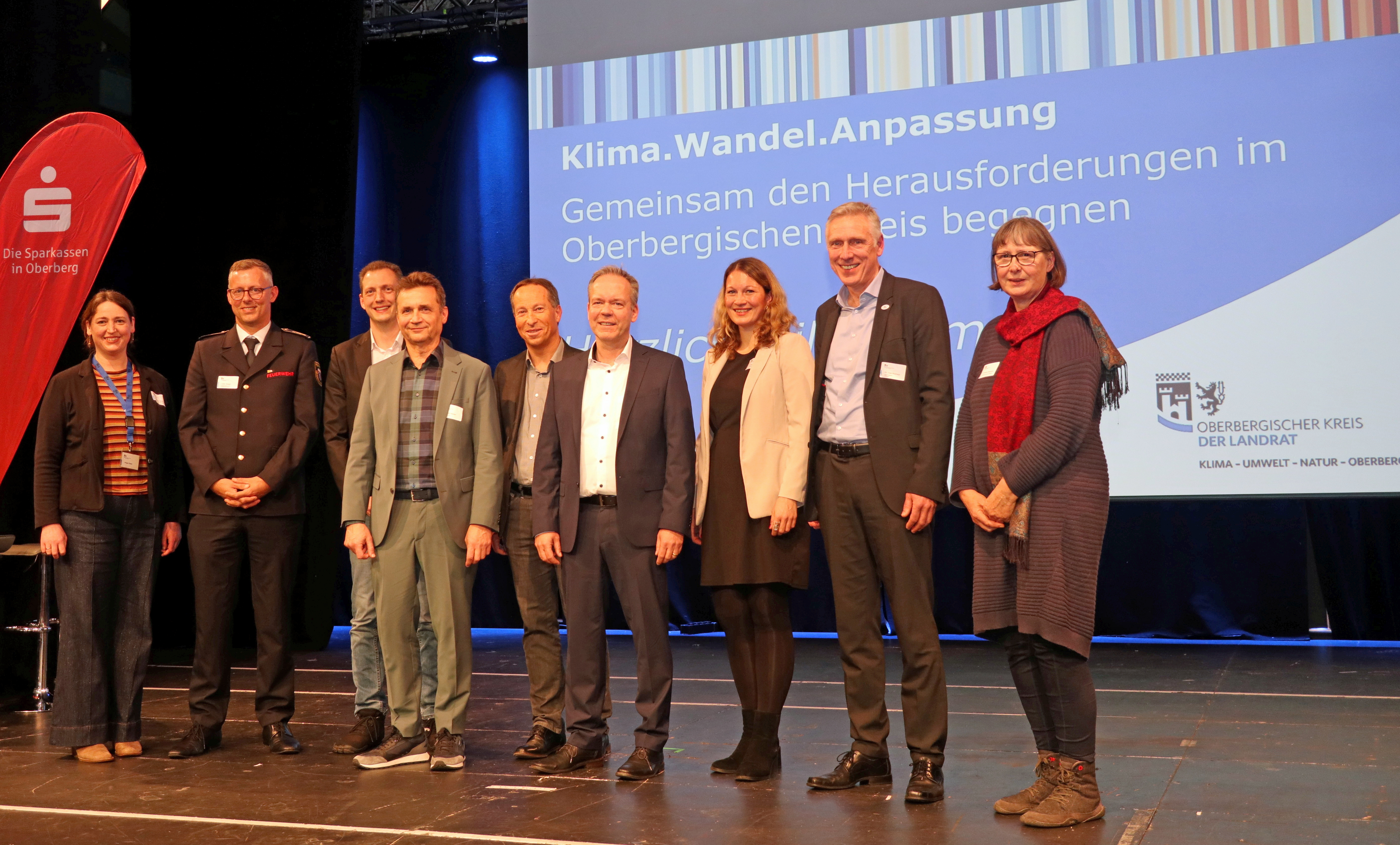
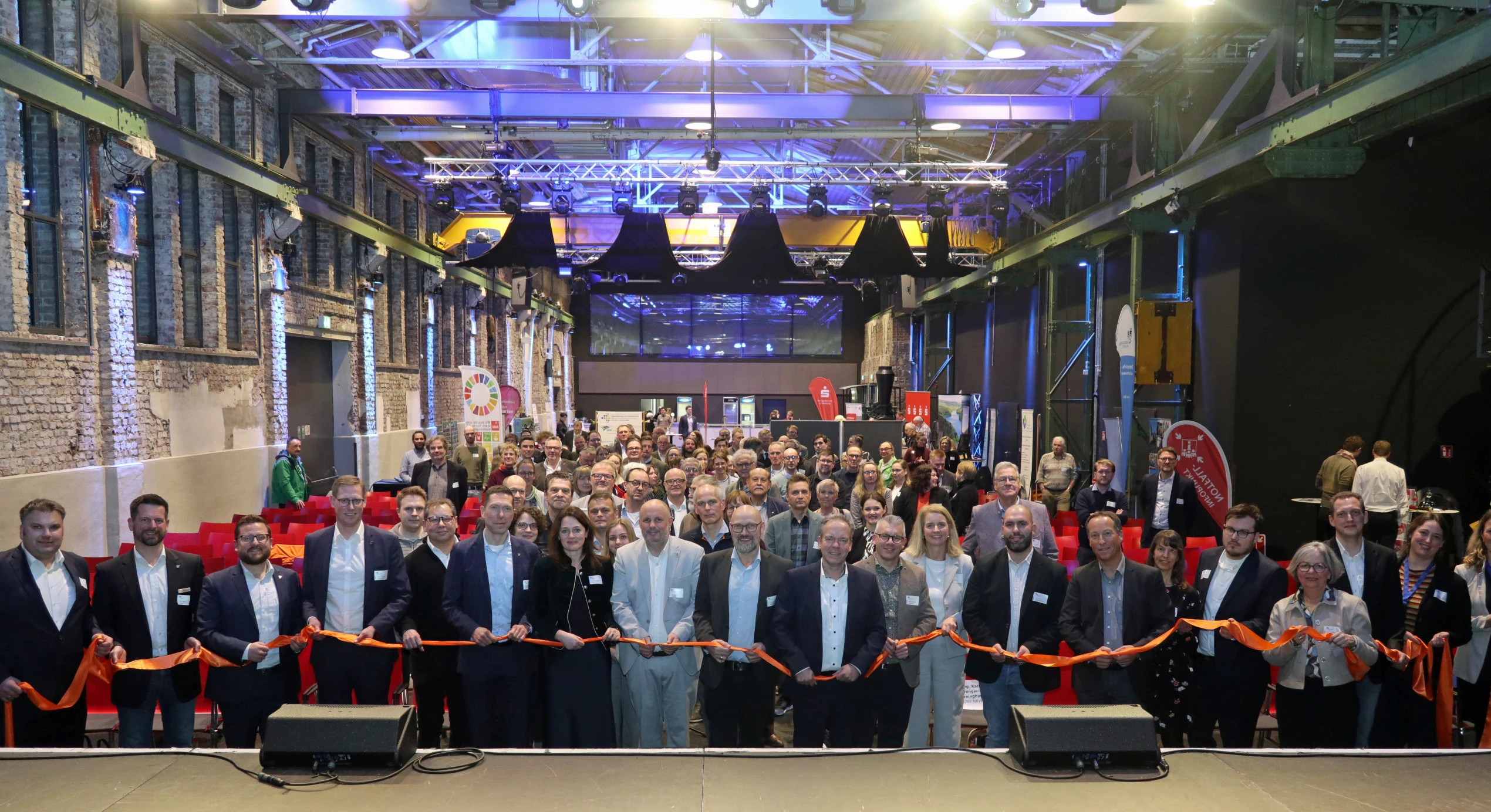
Oberberg "Climate Summit": Diverse event by the district drew great interest. The event format "Klima.Wandel.Anpassung" provided insights into how people in the Oberberg district can adapt to climate changes.

Oberbergischer Kreis. Versatile, informative, and entertaining: under this premise, the Oberbergischer Kreis organized two events where the district, municipalities, climate experts, and citizens alike presented the challenges of climate change and possible adaptation options. The basis for this is the  "Intermunicipal Climate Change Adaptation Concept" (KWAK), which the district administration developed together with the 13 municipalities of Oberberg and specialist departments. It documents the current state of scientific knowledge on climate change, its effects on the Oberbergischer Kreis, and includes developed adaptation measures for the inevitable consequences, such as increasing hot days or prolonged dry periods.

"Coordinate, inform, sensitize"

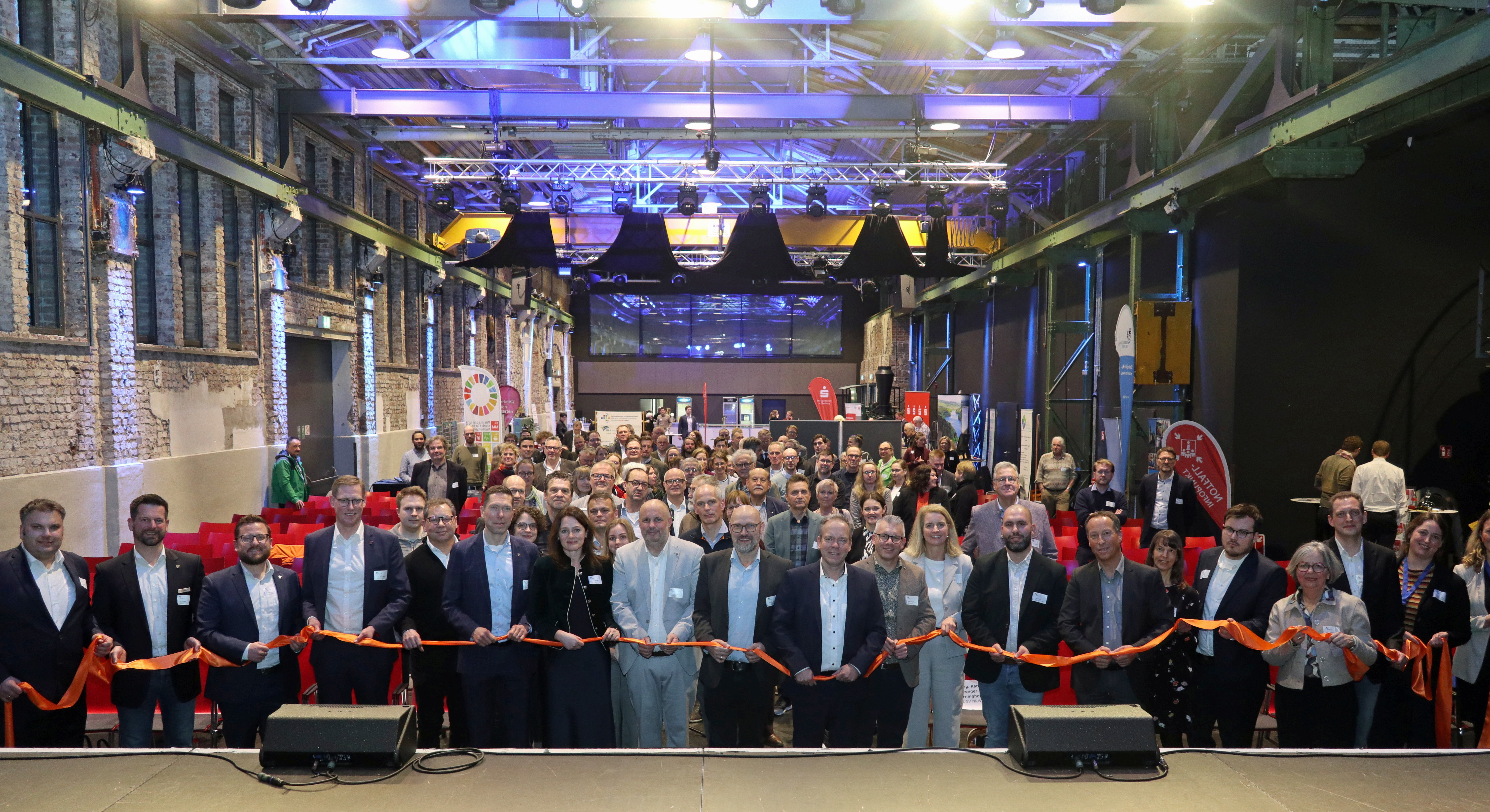
How strong the interest is became clear from the fully booked and highly demanded event, which included a specialist-public and a public section, as District Administrator Klaus Grootens emphasized during the event's opening: "Because climate change adaptation is not solely an internal administrative or academic task but a societal collective task." Therefore, it is important, "that the contents of the concept are understandable, transparent, and accessible," said Klaus Grootens. "Our climate change adaptation concept pursues a clear goal: to maintain quality of life, reduce risks, and take precautions – for today and for future generations."

The Oberbergischer Kreis cannot implement everything on its own but must primarily coordinate, inform, sensitize, network stakeholders, and organize support and funding opportunities. "However, the decisive factor is that climate change adaptation can only succeed if many contribute: municipalities, companies, associations – and each and every individual," said District Administrator Klaus Grootens.

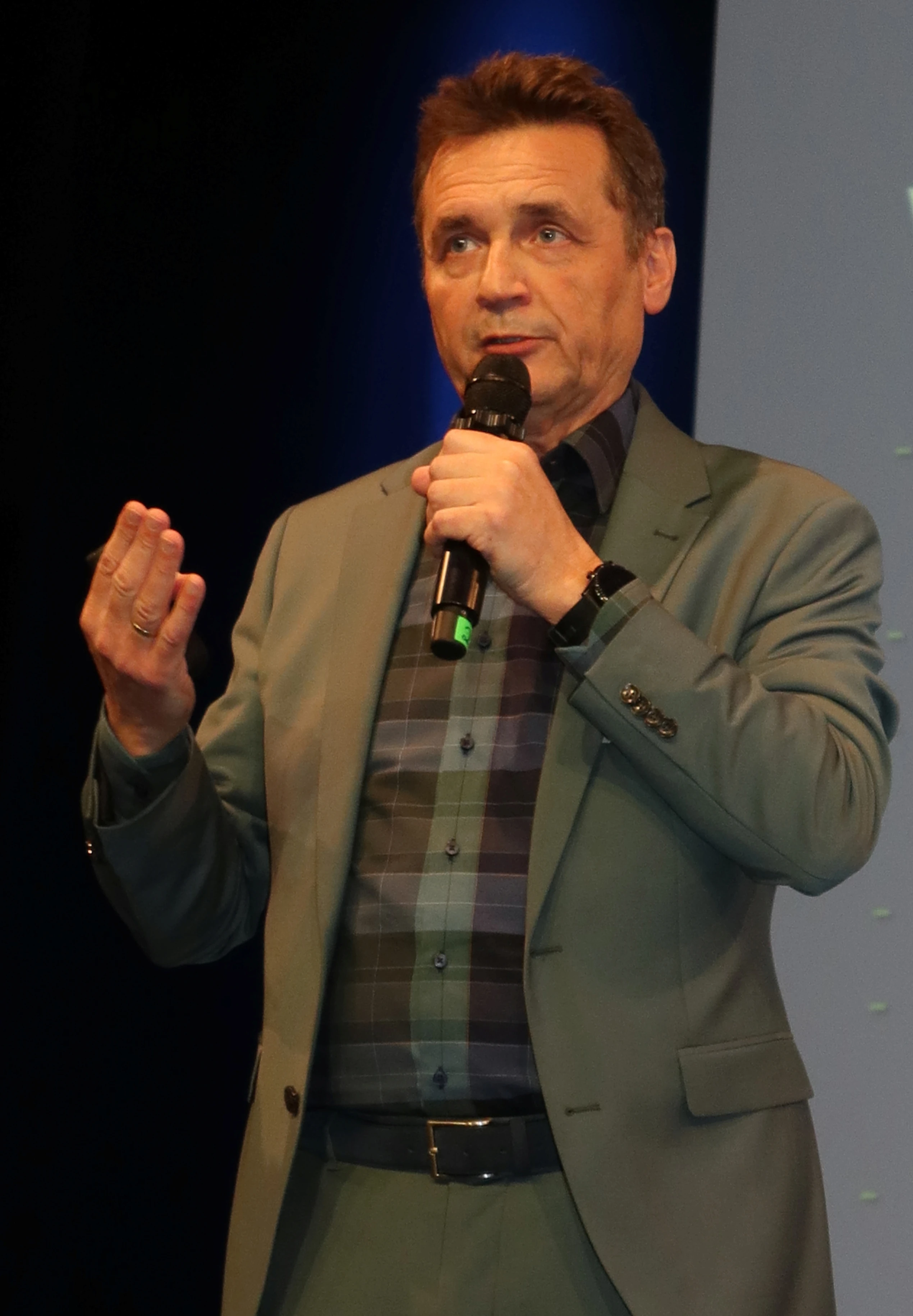
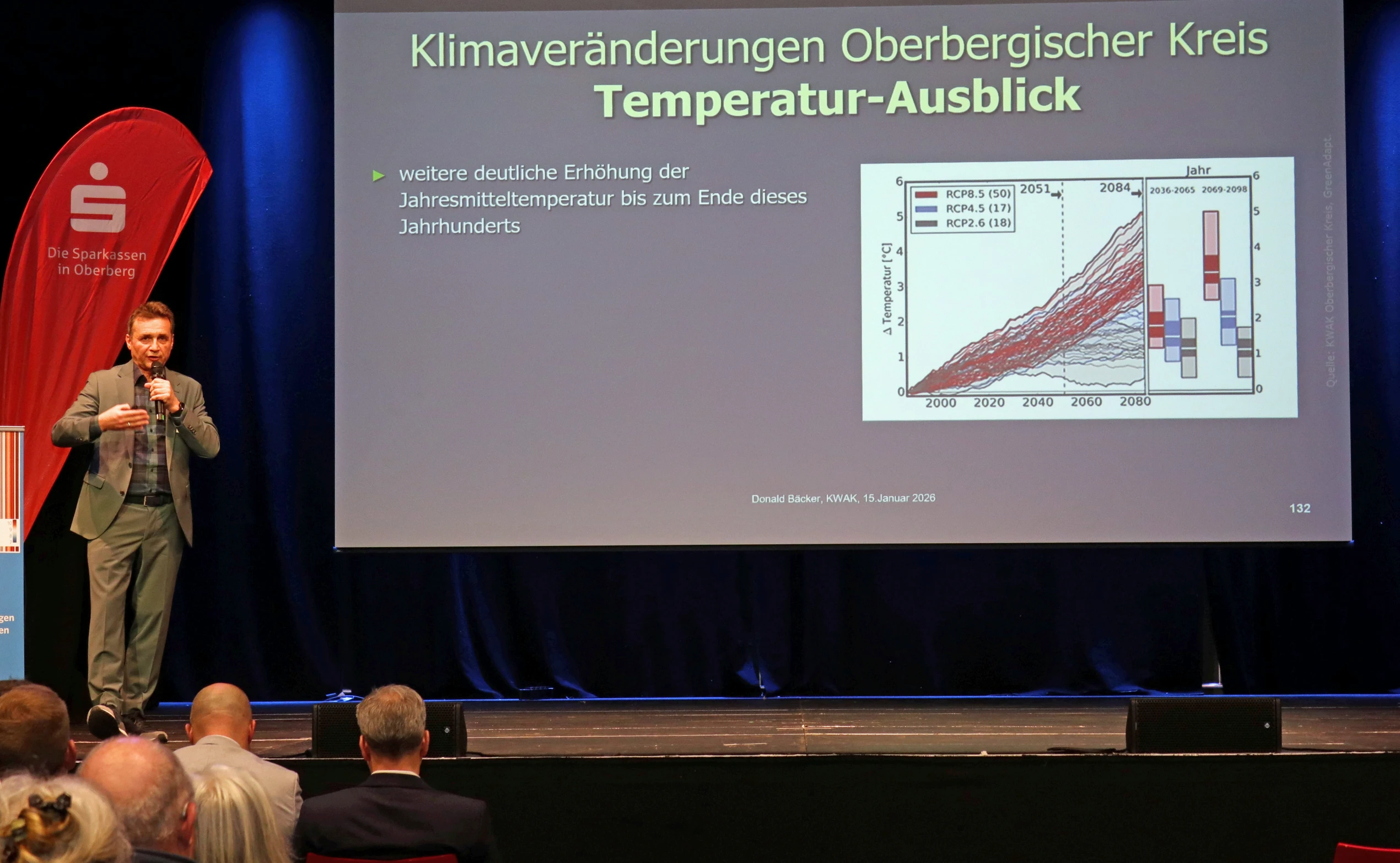
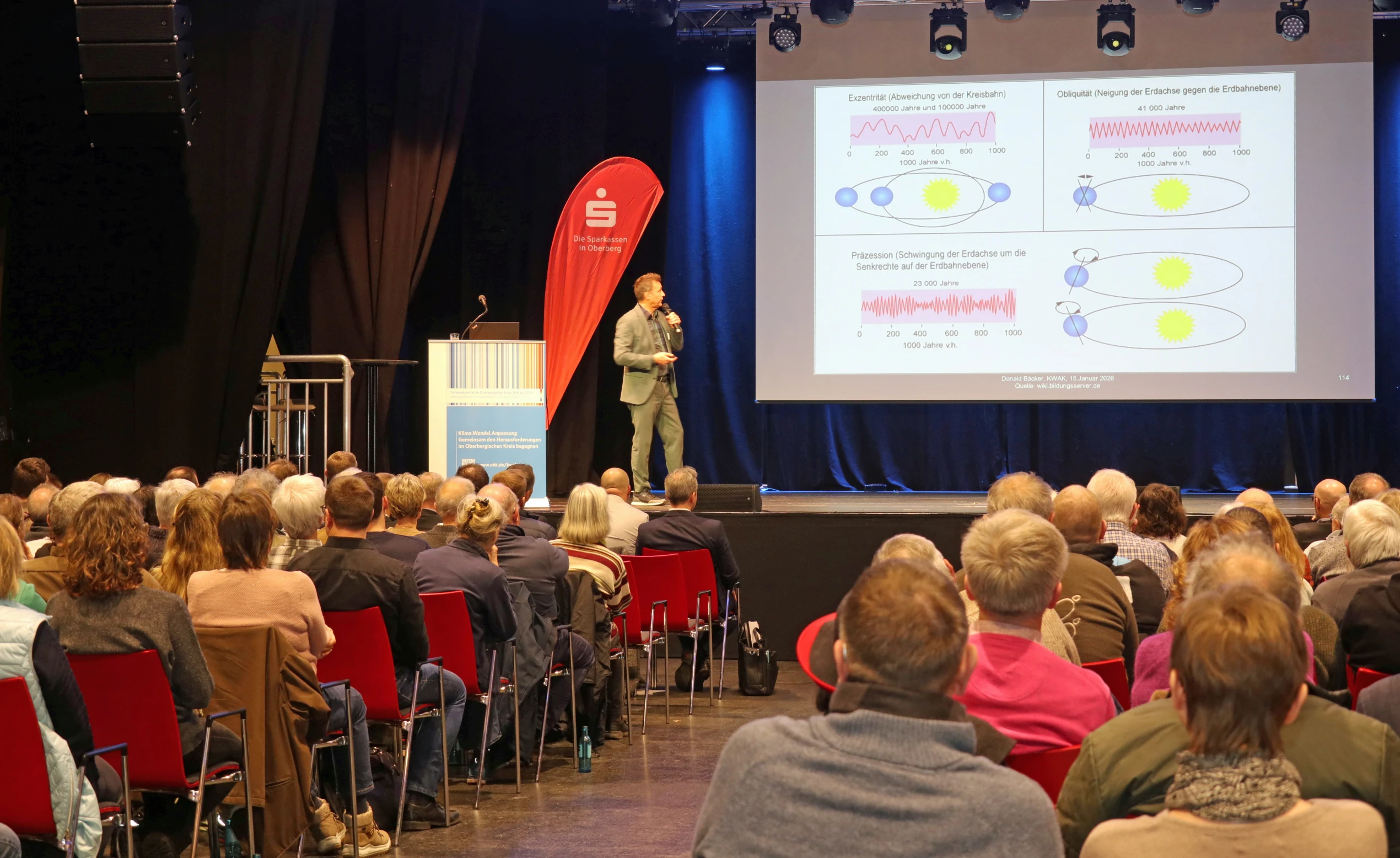
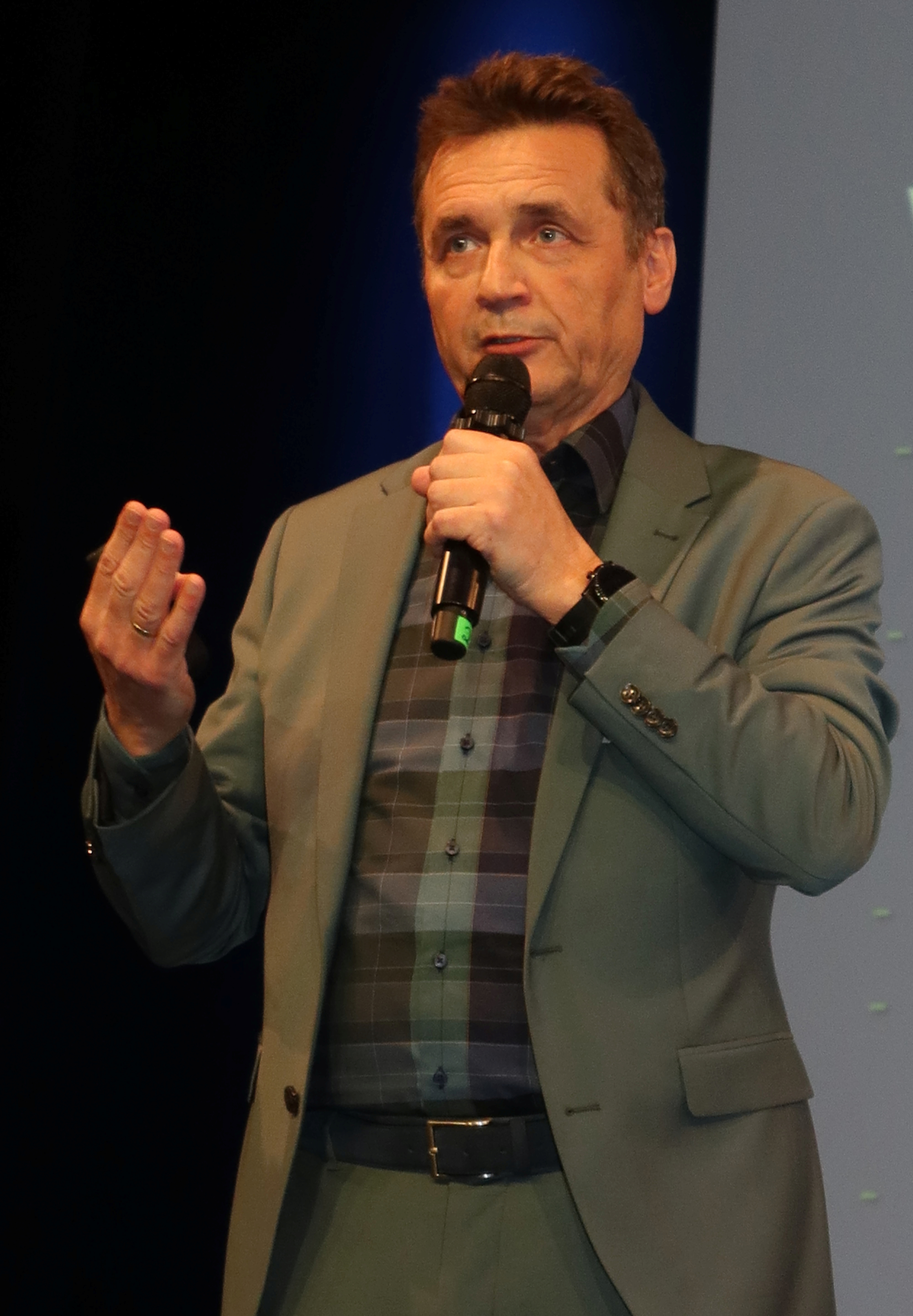
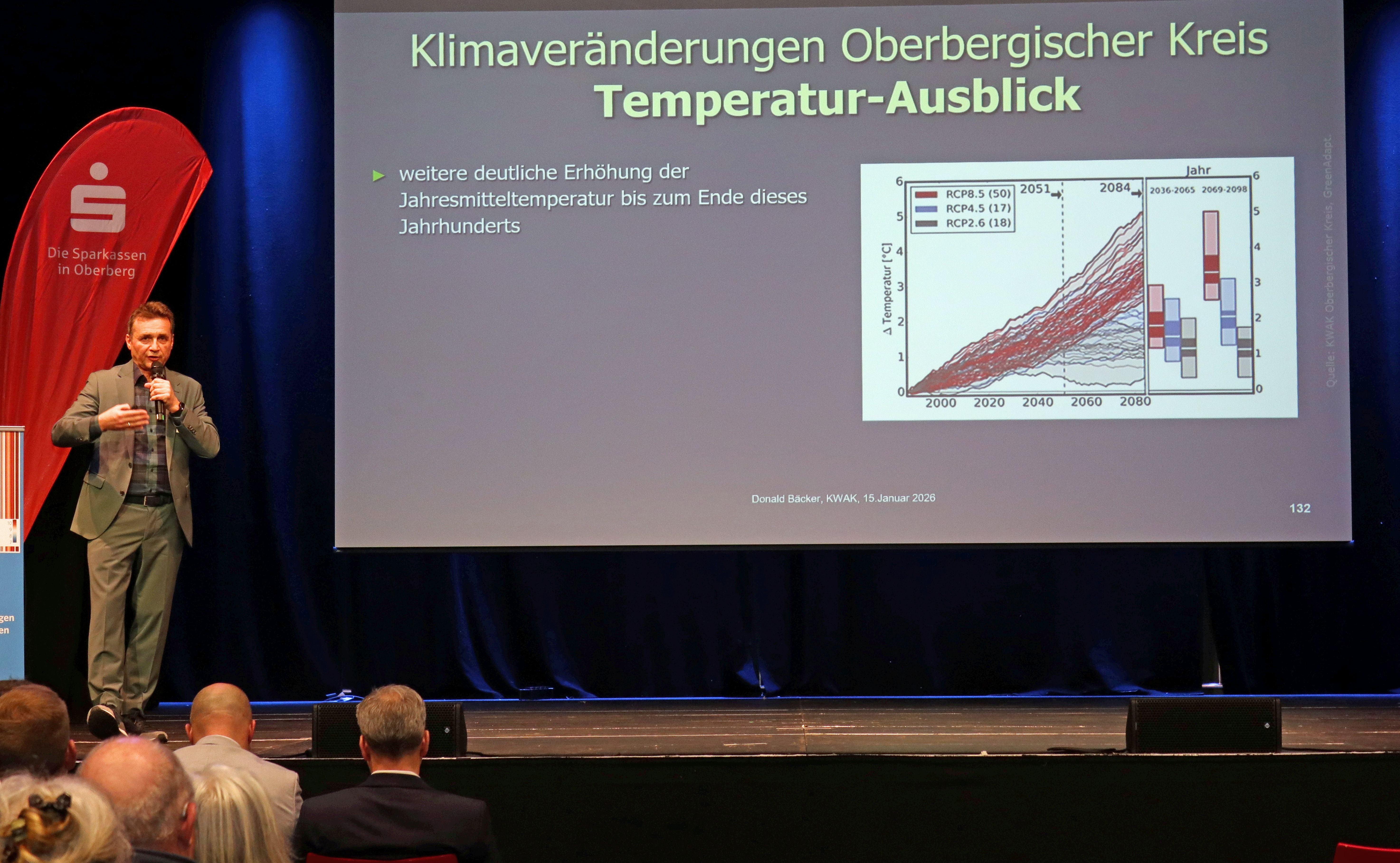
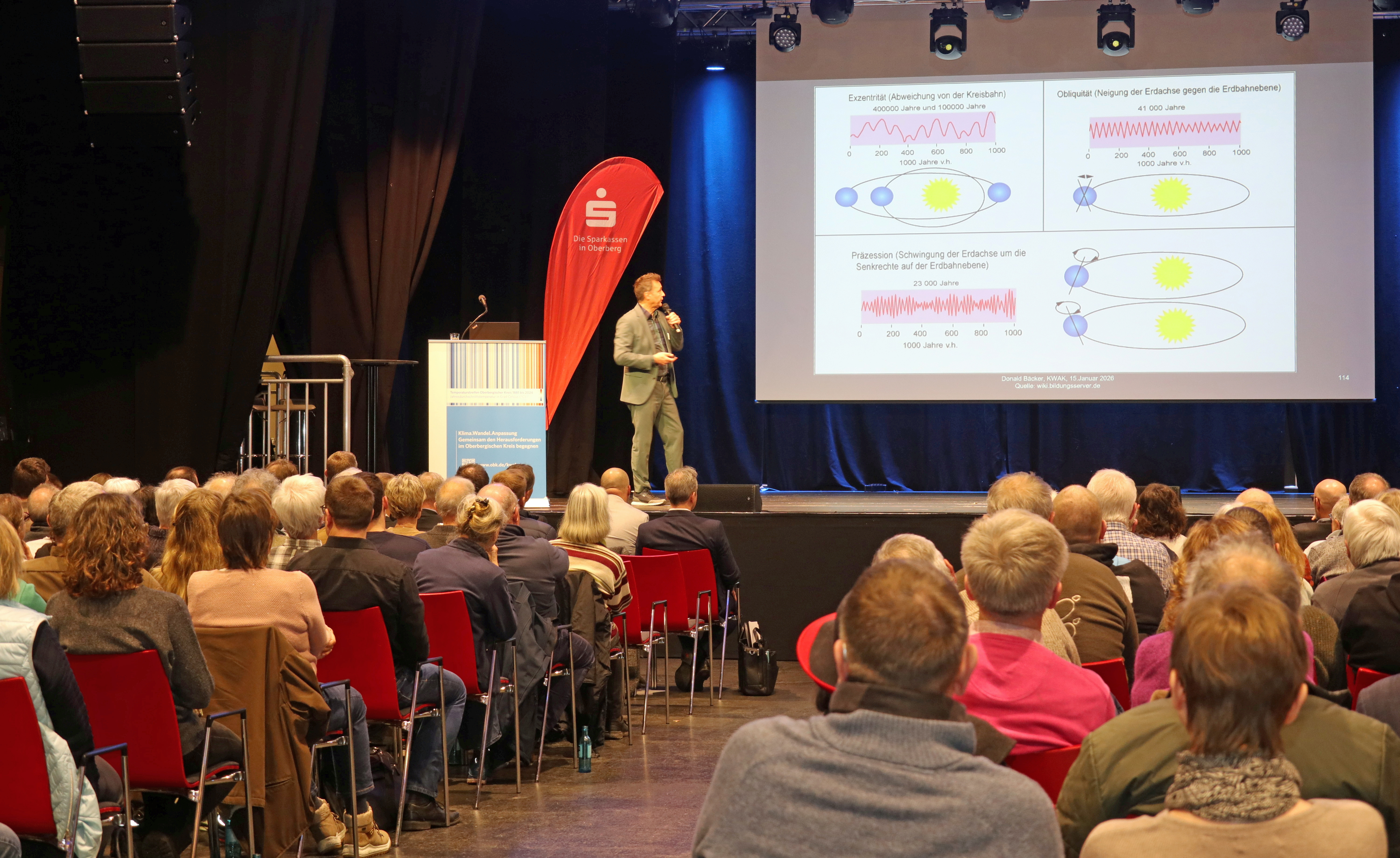
Prominent and entertaining support was provided by ARD meteorologist Donald Bäcker. In his lecture "It's just weather - or is it climate change," the weather presenter discussed weather phenomena, their interconnections, and the importance of climate change. The climate, viewed over millennia, has "never been stable," but there are increasingly frequent extreme weather events that can only be explained by human-induced climate change. Referring to the Oberbergischer Kreis, Donald Bäcker stated that the average annual temperature in the region has risen from 8.2 to 9.9 degrees between the 1950s and the 2010s. The meteorologist predicts that there will be less rain in summer in the future, but more rain in winter, and the likelihood of extreme rainfall events like in 2021 will also increase.

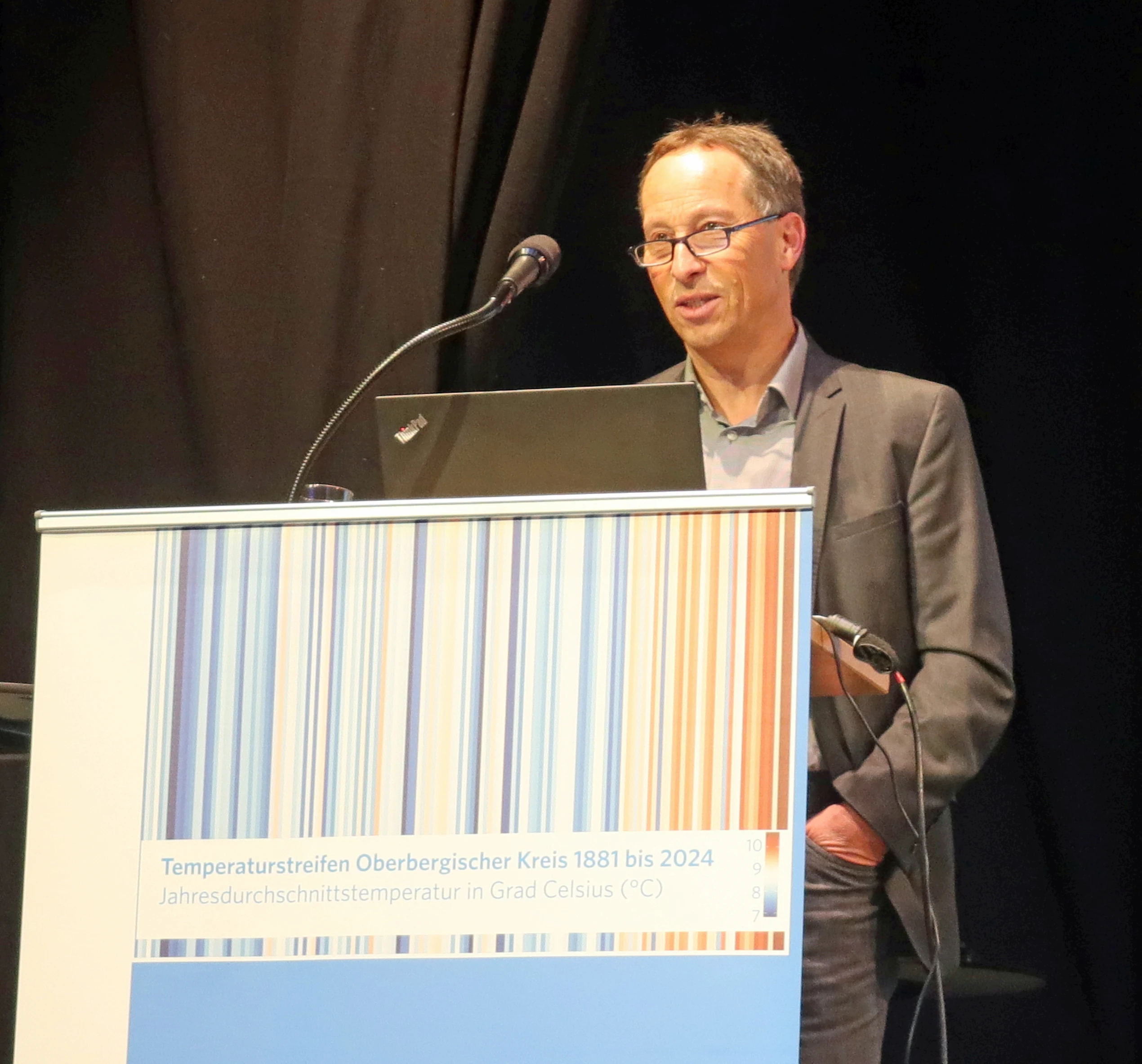
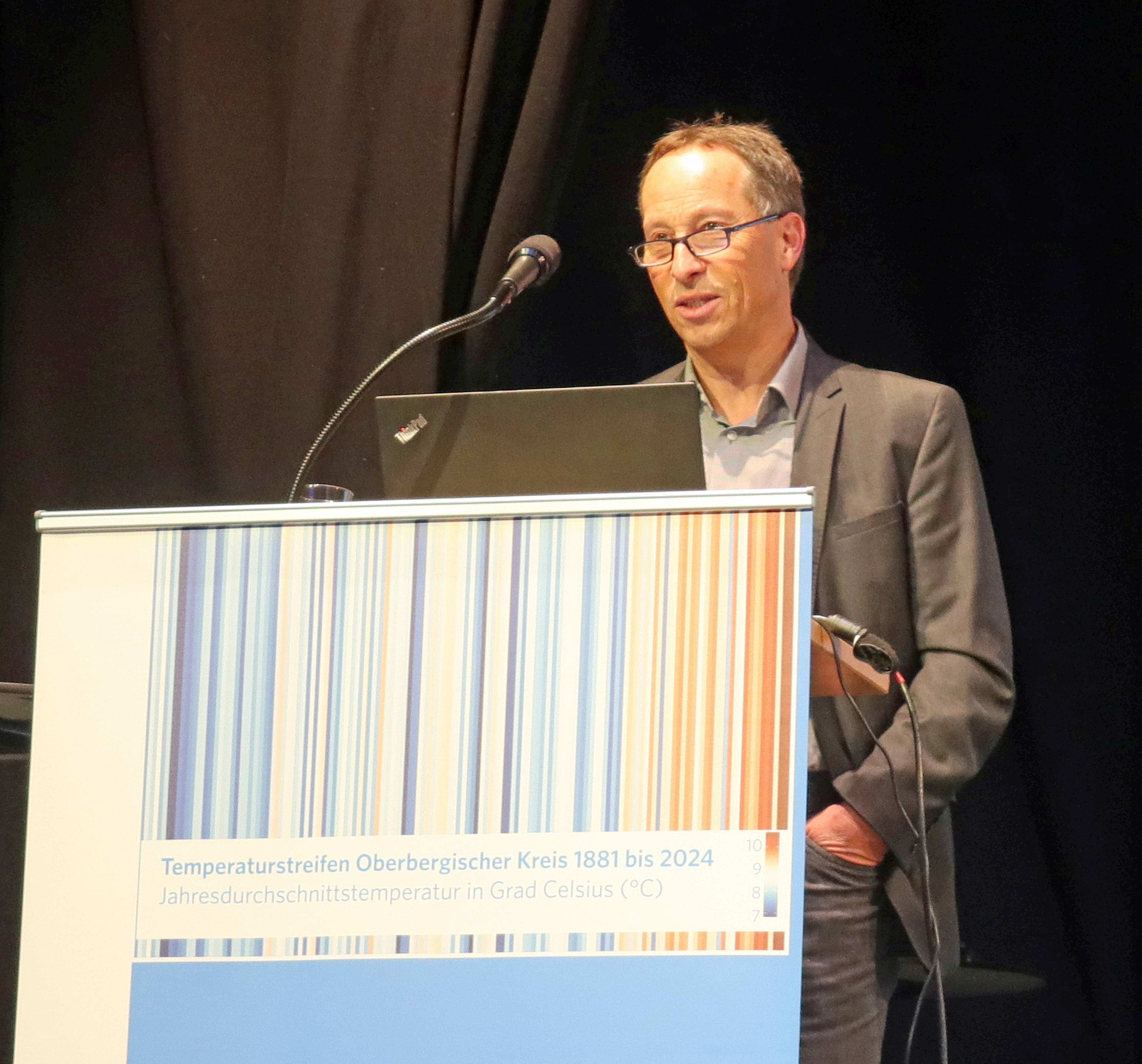
The necessity of deriving adaptation measures to reduce damage and strengthen resilience for our region was highlighted by Environmental Officer Frank Herhaus based on the results of the inter-municipal climate change adaptation concept.
District-wide analyses on future heat stress and nocturnal cold air formation, alongside stormwater risk management, which the district completed with the municipalities in May 2025, form the central planning foundations for climate adaptation measures. Building on the scientific results, 14 subject areas, always with a special focus on vulnerable groups such as elderly people with pre-existing conditions and outdoor workers, were identified. These areas include topics such as health, forests, water and bodies of water, or the economy of Oberberg. As a result, 13 measures for the district as well as individual measures for each municipality in the Oberbergischer Kreis were developed. An example is the unsealing and greening of schoolyards, for which the city of Bergneustadt has already successfully secured funding for the "Cool Schoolyards 2.0" project.

In addition to the district and municipalities, many other stakeholders are also required to implement climate adaptation measures. Whether it's climate-adapted reforestation, which concerns all forest owners, or adapted reservoir management, which presents challenges for water associations to ensure a constant supply of drinking and industrial water in the future while maintaining enough storage space to capture sufficient water during heavy rainfall events.

Taking self-precaution

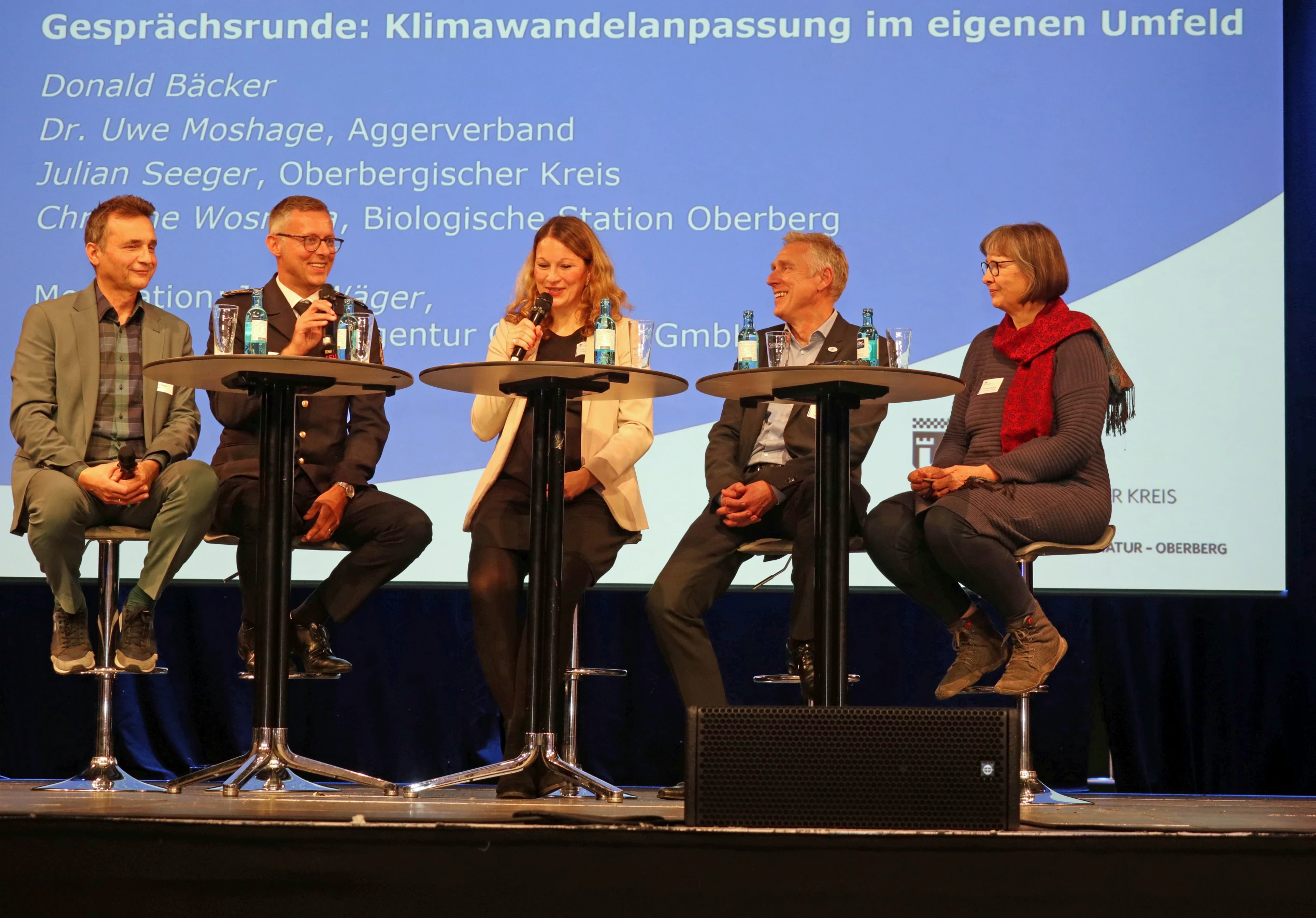
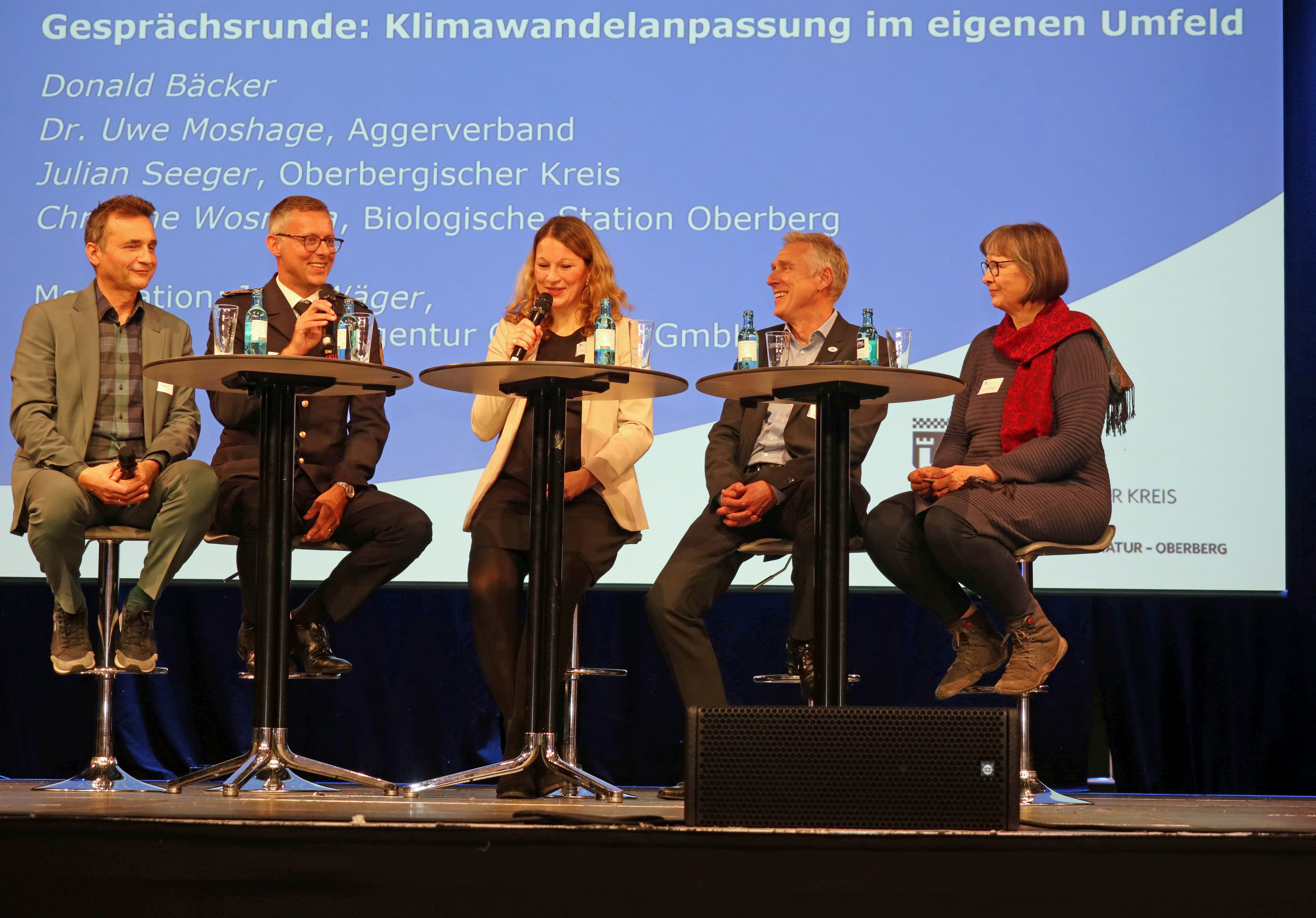
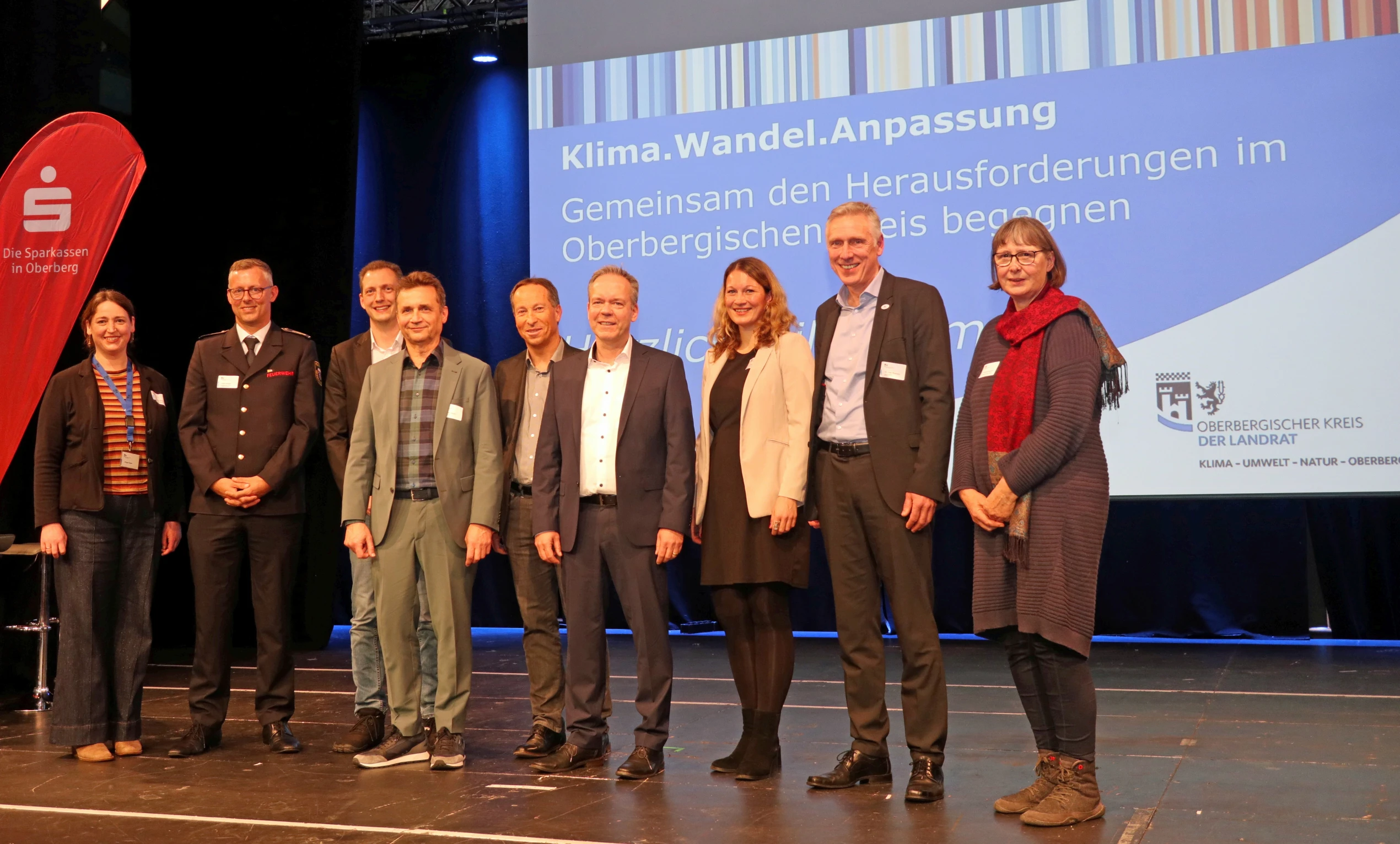
During a concluding discussion round on the topic “Climate Change Adaptation in One's Own Environment”, meteorologist Donald Bäcker; Dr. Uwe Moshage, Aggerverband; Julian Seeger, head of the Office for Fire, Civil, and Disaster Protection and District Fire Chief; Christine Wosnitza, Biologische Station Oberberg and Julia Wäger, Projektagentur Oberberg GmbH provided information on specific adaptation measures that affect citizens.

The conclusion of the panel of experts: In addition to the many coordinated measures in a disaster protection needs plan, with institutions and organizations (fire departments, THW, DRK ...), it is important that citizens also take advantage of their options for precautionary measures: for example, installing weather warning apps, purchasing a battery-powered radio to receive information and behavioral messages during storm situations - independently of the power grid. For Christine Wosnitza, there are already many small helpful measures that can be taken in one's own environment: installing rainwater storage tanks in the garden, sealing as few areas as possible, and maintaining moisture in the garden through thoughtful planting of perennials and shrubs, so that natural cooling of the surroundings also takes place in the summer. In addition to this self-care, Dr. Uwe Moshage (Aggerverband) reported on measures to protect the population in terms of water supply or flood protection through (controllable) water retention basins. District Fire Chief Julian Seeger also emphasized how well-coordinated disaster protection plans are already in place in the Oberberg district and highlighted the importance of the many volunteers involved.

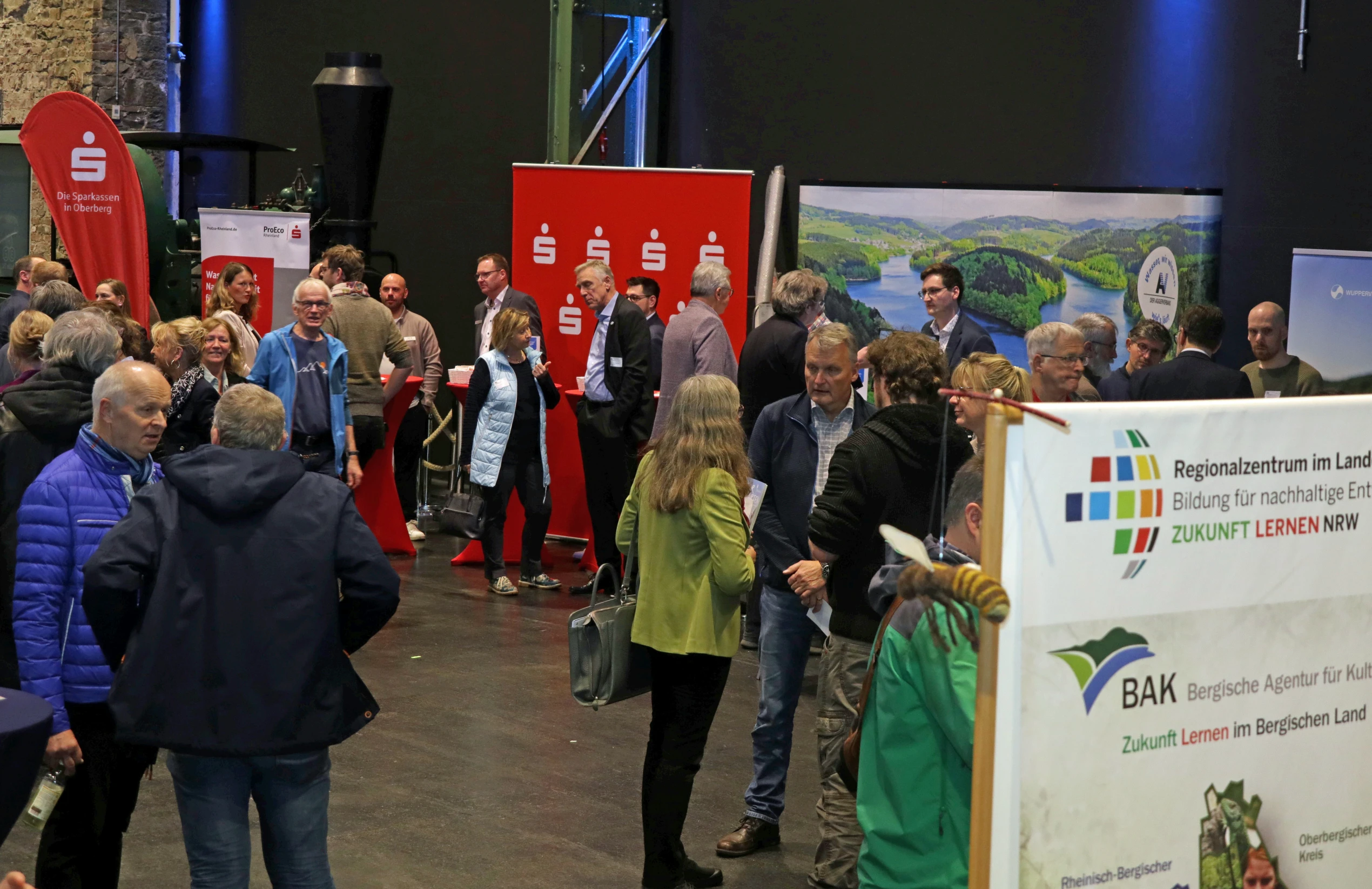
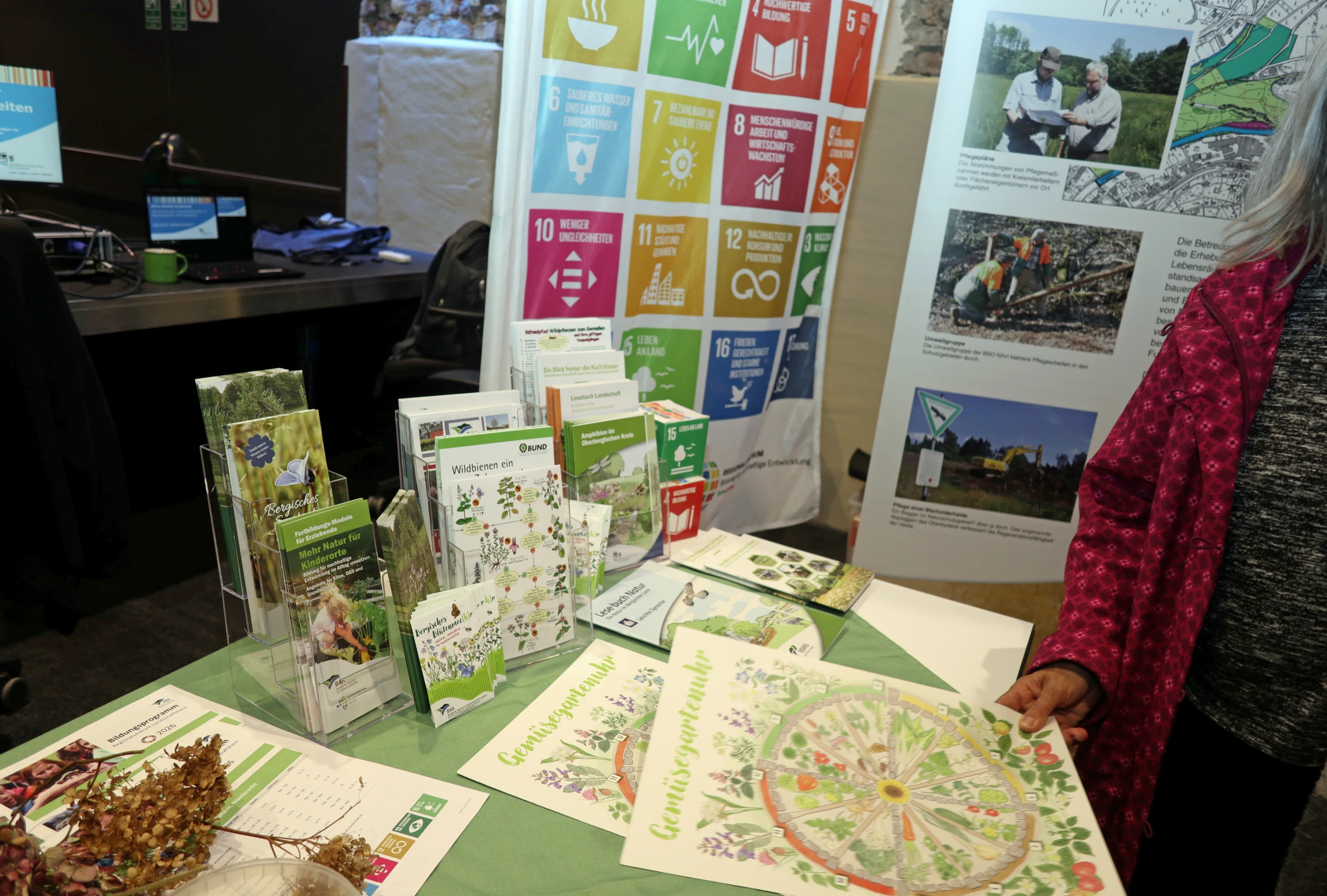
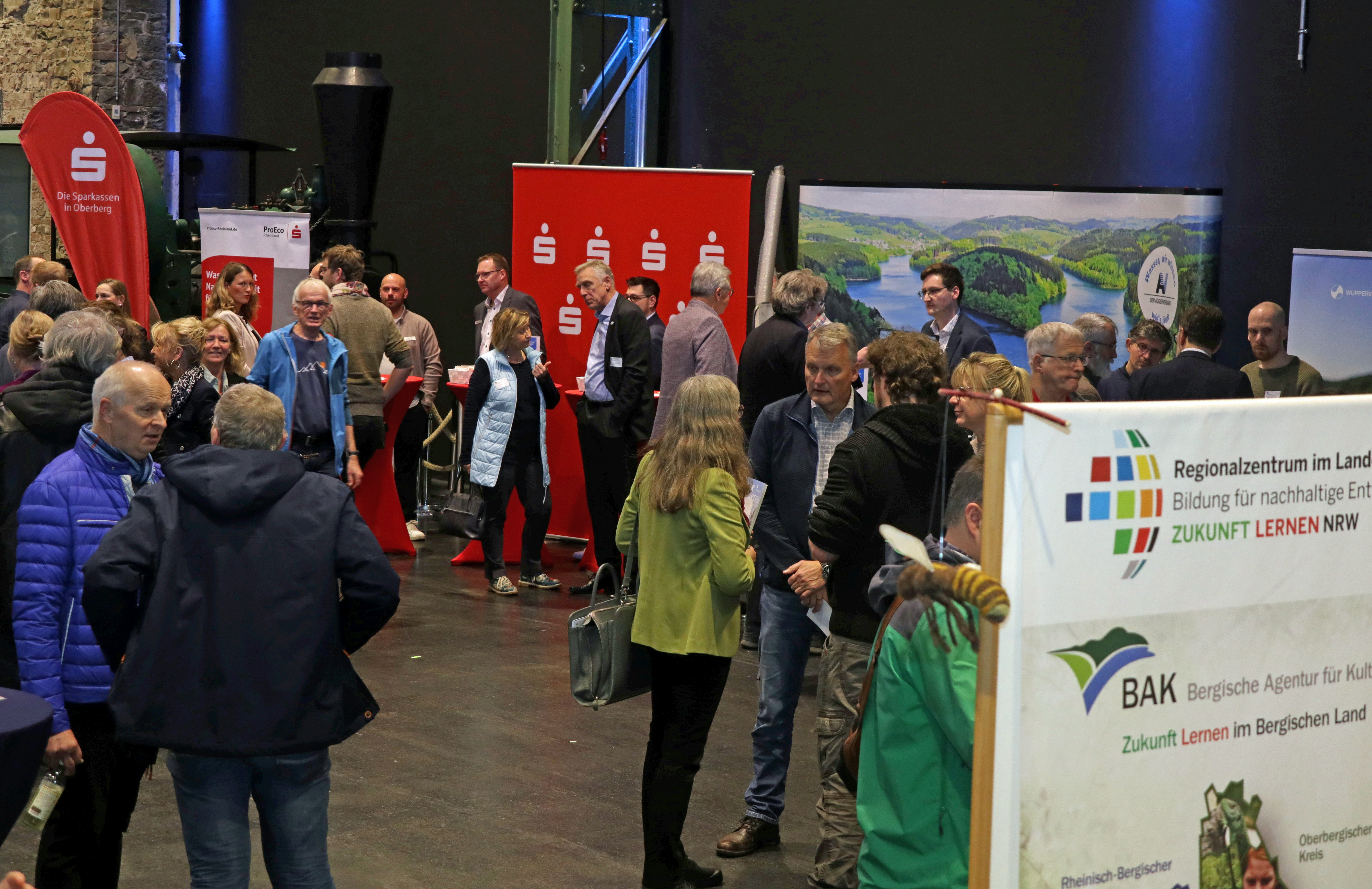
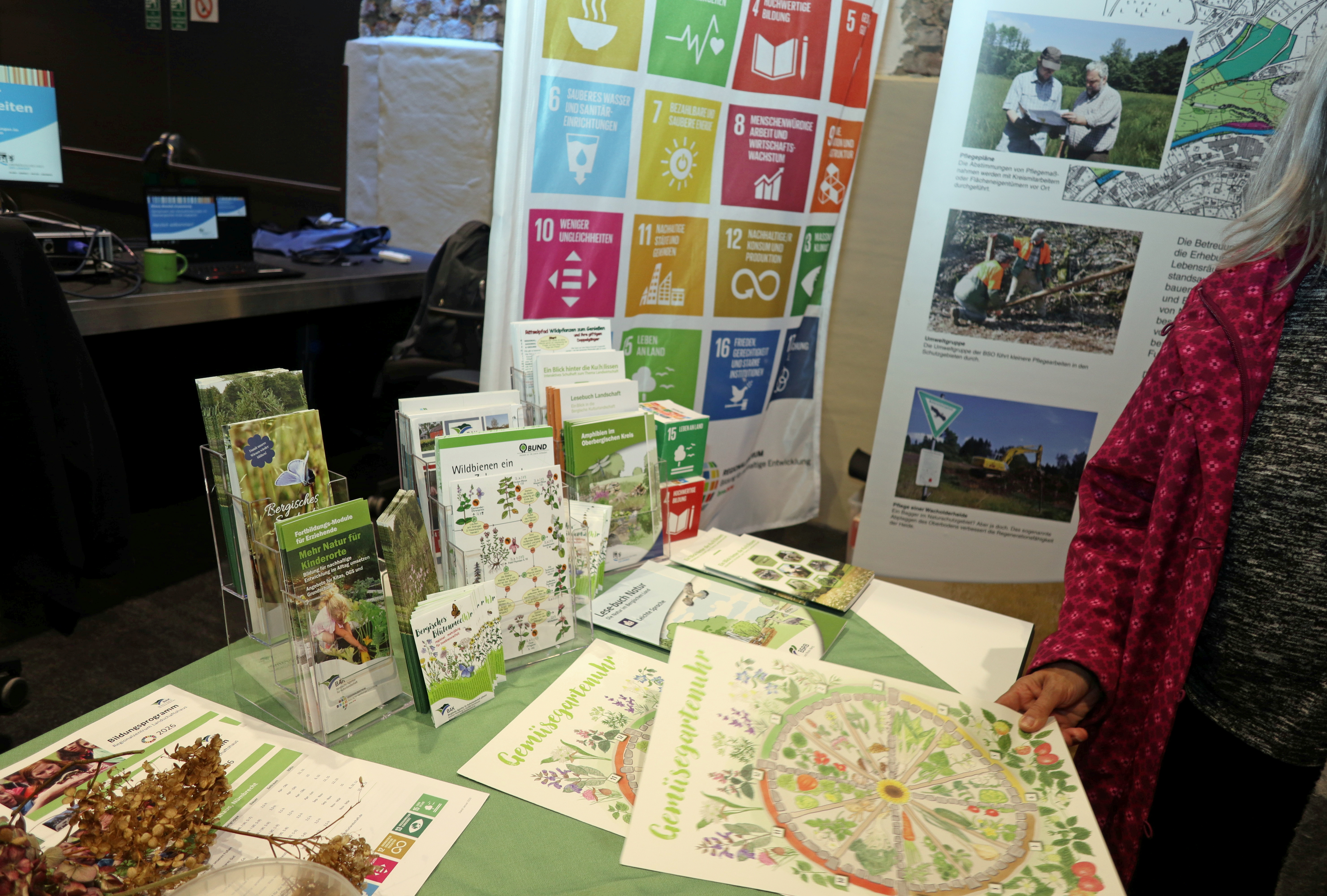
The Market of Opportunities also aimed at self-care and individual precautionary measures. Here, the interested audience could learn about practical measures. 
In the professional-public section, experts exchanged views on specific action measures at the state, regional, and municipal levels. Prof. Dr. Anke Schmidt, Rheinland-Pfälzische Technische Universität Kaiserslautern Landau (RPTU), presented the project "LAND(WIRT)SCHAFTsWANDEL". It investigates how agricultural businesses in the Oberbergischer Kreis can sustainably develop under the changed conditions of climate change. Pauline Rothstein, Economic Development of the Oberbergischer Kreis, demonstrated how the district can support local businesses in becoming climate-resilient. Among other things, free consulting processes are planned, in which climate change adaptation measures specific to each company are developed. Sabine Nockemann-Hameran, Municipality of Engelskirchen, illustrated how adaptations to climate change can be implemented in a municipality. She is currently the only municipal climate adaptation manager who, supported by federal funding, can implement numerous climate adaptation measures in Engelskirchen in the coming years.  

All speakers highlighted that intensive work is already being done at many levels and with various target groups on the topic of climate change adaptation in the Oberbergischer Kreis.

Institutions involved in the event:

  • Aggerverband
  • Biological Station Oberberg and the Bergische Agency for Cultural Landscape
  • State Office for Nature, Environment, and Climate NRW
  • LEADER regions "Bergisches Wasserland" and "Oberberg: 1000 Villages – One Future"
  • Naturgarten e.V. Regional Group Bergisches Land
  • Network Climate Adaptation and Companies.NRW
  • Oberberg municipalities
  • Oberbergischer Kreis
  • Region Cologne Bonn e.V.
  • Wupperverband
  • Savings Banks in Oberberg
     

More information about the Climate Change Adaptation Concept (KWAK) of the Oberbergischer Kreis is available at: www.obk.de/kwak

Explanations of heavy rainfall risk management can be found at www.obk.de/starkregen.
From there, there is also a link to the heavy rainfall hazard and risk maps in RIO

In the RIO portal, the maps are accessible via https://rio.obk.de under the application "Heavy Rainfall".
If photos for download are provided exclusively for media representatives/press, all usage rights (cf. §§ 31 ff. UrhG) according to § 43 UrhG lie with the Oberbergischer Kreis. For reporting purposes, the media are granted a simple usage right according to § 31 Abs. 2 UrhG. When publishing, the image rights specified in the press release must be cited (corresponds to IPTC field no. 110). The additional mention of a natural person as the author according to § 13 sentence 2 UrhG is waived, as this regulation is overridden by the application of § 43 UrhG.