Press release
Publication date: 2026-09-08
Blue-green algae detected again at Brucher Wupperverband and the Health Department of the Oberbergischer Kreis provide information.
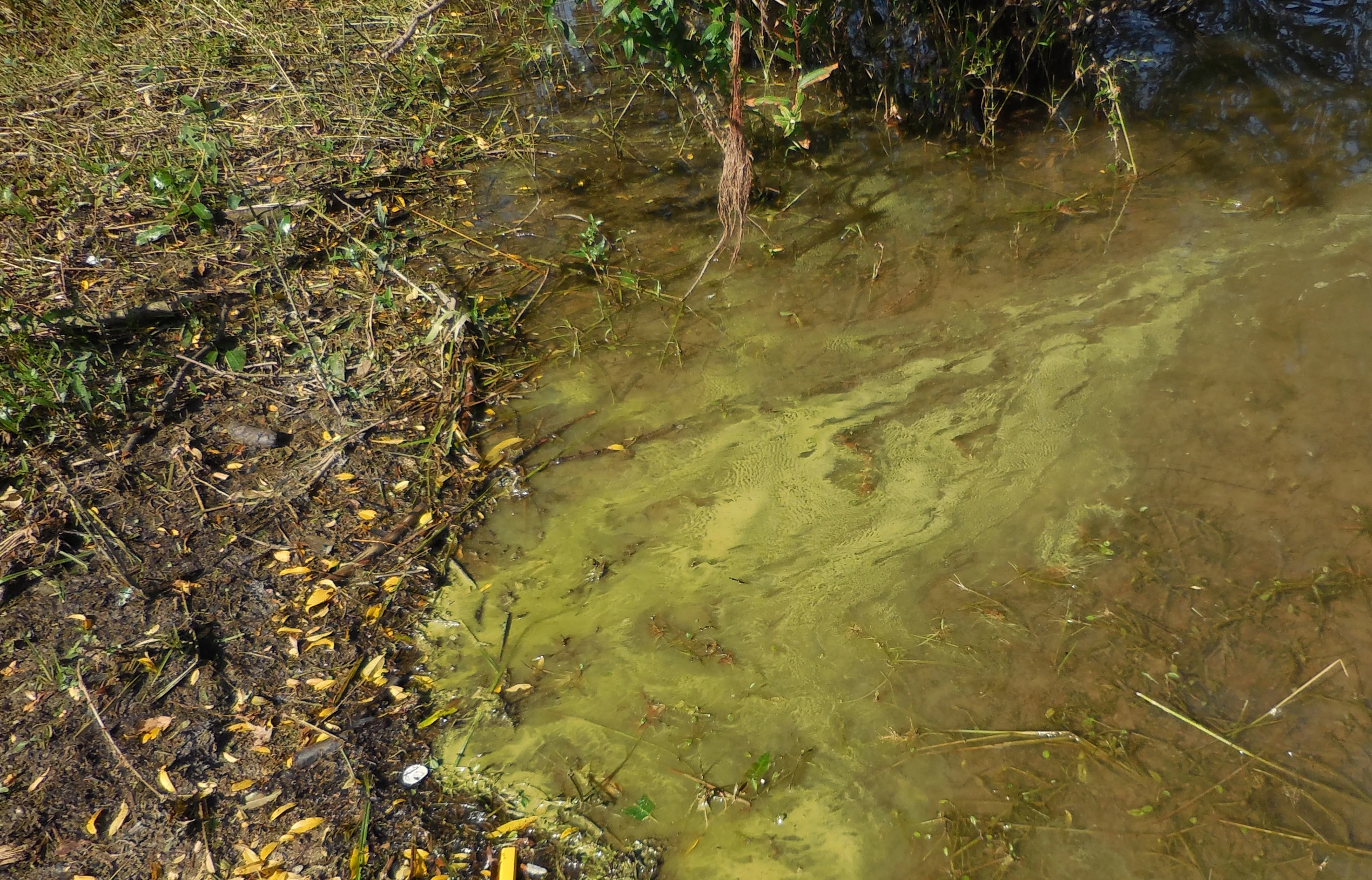
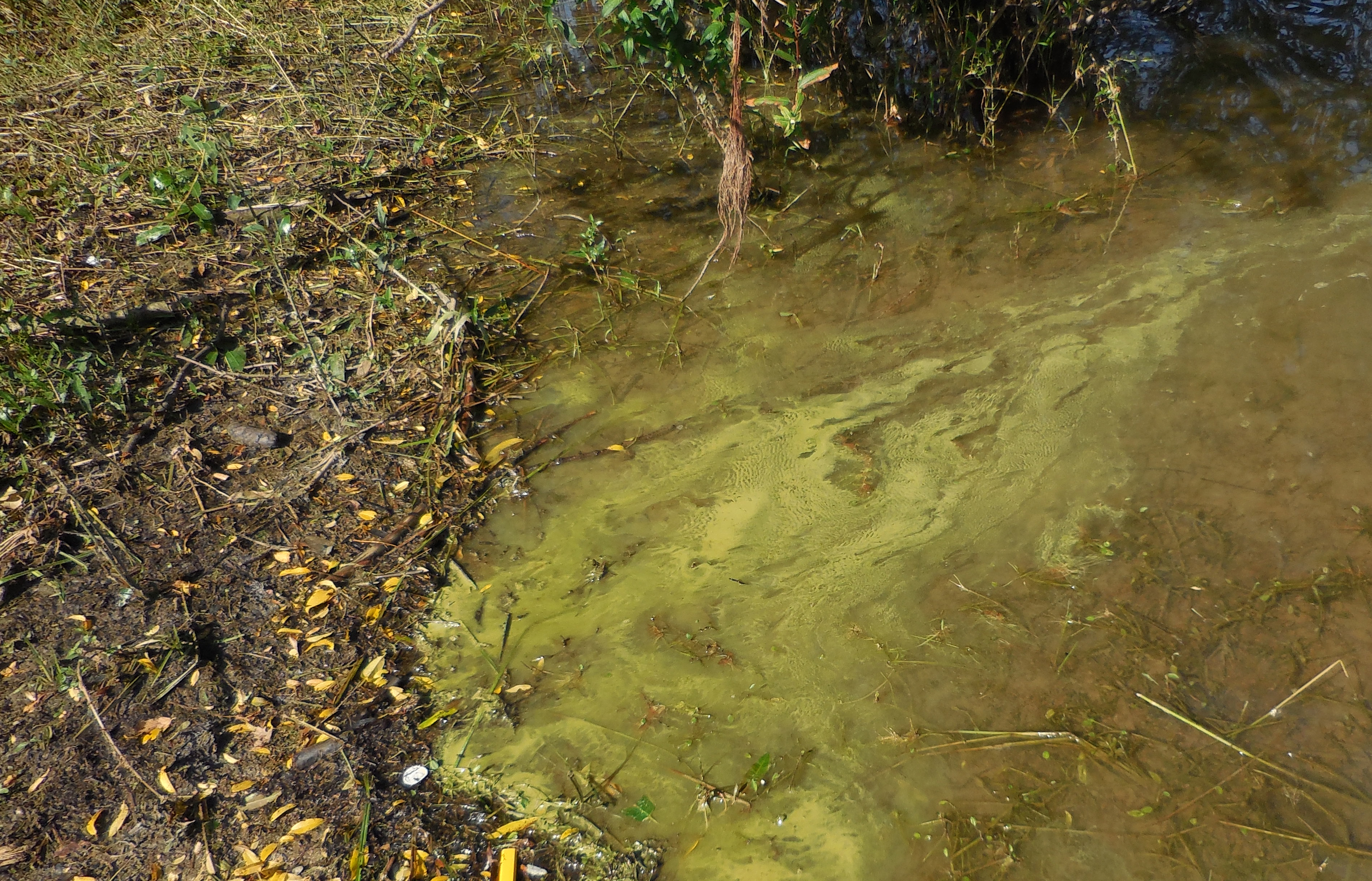
Oberbergischer Kreis. During today's inspection of the Brucher Dam, blue-green algae were detected in the areas of the DLRG and dam wall bathing spots. Consequently, the Public Health Office of Oberbergischer Kreis has issued a bathing ban for these locations. The Public Health Office further appeals to individuals' personal responsibility when engaging in activities on the dam. Contact with blue-green algae should be strictly avoided.
What are blue-green algae:
Blue-green algae are not actually algae but bacteria that often exhibit a blue-green coloration. Blue-green algae naturally occur in bodies of water. However, their mass proliferation can lead to problems. Some can produce toxins that may affect health.
Avoid contact:
At high concentrations, blue-green algae can cause symptoms such as allergic reactions, skin irritations, or earaches in humans and animals (e.g., swimming dogs). Ingesting them can lead to nausea, diarrhea, and vomiting. Particularly young children and highly sensitive individuals should avoid any contact with blue-green algae.
Recognizing blue-green algae:
Most blue-green algae species are harmless to humans and decompose, creating an unpleasant odor. During mass growth, blue-green algae accumulate on the water's surface (streaks). Cyanobacteria color the water blue-green (cyan). An initial indication of blue-green algae formation is reduced visibility due to significant water turbidity. Refrain from swimming if you are standing knee-deep in water and cannot see your feet. Avoid swimming if you notice distinct green or blue-green streaks on the water's surface.
More information can be found at www.obk.de/badegewaesserandwww.obk.de/blaualgen.