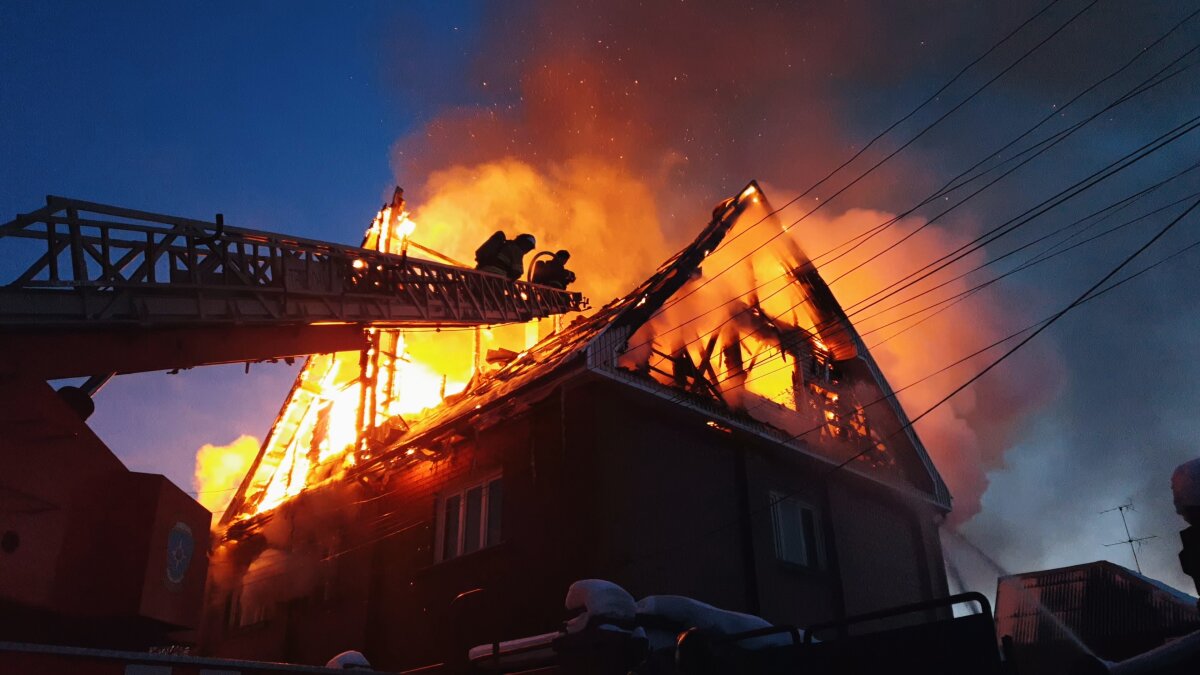
 copyright: ivandanru - stock.adobe.com
Fires and Flames
Learn more about emergency preparedness.
This page was translated from German using artificial intelligence. The translation may contain errors or inaccuracies. In case of doubt, the German original version prevails.
A fire can spread quickly, endangering people, animals, and buildings. Many fires occur in everyday life due to inattention, technical defects, or improper handling of electrical devices and open flames. Simple measures can significantly reduce the risk of fire in your home. At the same time, it is sensible to prepare early for what to do in an emergency.
Avoiding fire hazards in everyday life
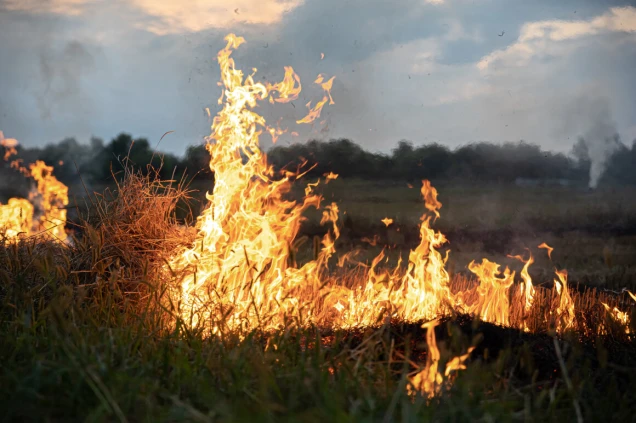
Avoiding fire hazards in everyday life
Regularly check for potential hazards in your apartment or house:
-
Do not leave candles, fireplaces, or other open flames unattended.
-
Keep flammable materials away from heaters and other heat sources.
-
Use electrical appliances only as intended.
-
Take damaged cables, plugs, or devices out of service.
-
Avoid overloading sockets and power strips.
-
Turn off unused electrical devices.
-
Store flammable substances safely and as far away from heat sources as possible.
Even small lapses in attention can trigger a fire. A mindful approach to potential hazards significantly contributes to safety.
Smoke detectors save lives
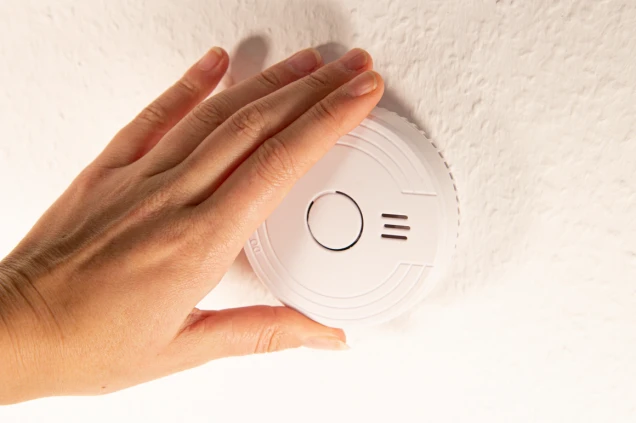
Smoke detectors save lives
Always install smoke detectors horizontally at the highest point of the ceiling, as smoke rises upwards.
Do not install smoke detectors in the kitchen and bathroom, as water vapor can cause false alarms.
Otherwise, smoke detectors belong in all rooms!
When installing, ensure certification according to VDS and DIN EN 14604 as well as the Q-Label (higher quality).
For people with hearing impairments, special warning systems are available that, for example, also work with light or vibration signals.
Also pay attention to the following:
-
Install smoke detectors according to the manufacturer's instructions.
-
Regularly test the devices for functionality.
-
Replace defective or very old devices.
Carbon monoxide detectors can be a useful safety measure.
Keep fire extinguishers ready
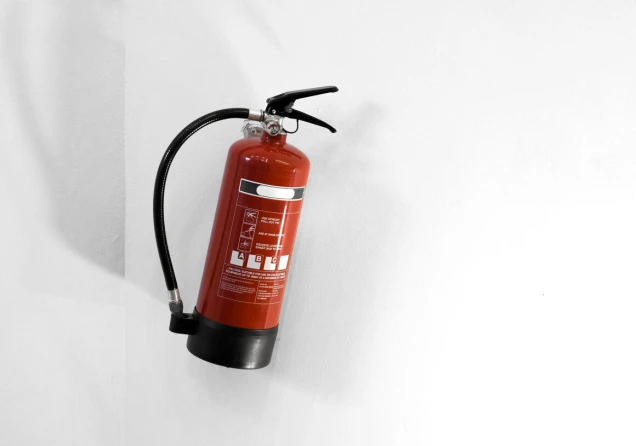
Keep fire extinguishers ready
A fire extinguisher can help contain a small fire early. It should be stored in an accessible location and be suitable for the potential types of fires.
Before purchasing, find out which extinguishing agent is suitable for your household. Also, consider maintenance and expiration details.
Important: Attempt extinguishing only if the fire is still small and you are not endangering yourself. As smoke or flames spread significantly, leave the danger area and call the fire department.
Special caution with fat and oil
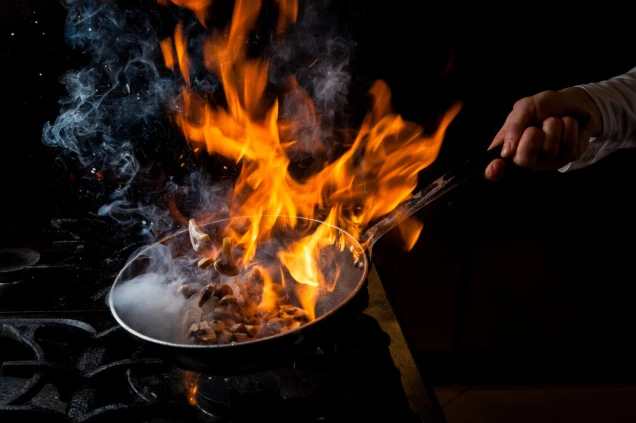
Special caution with fat and oil
Burning cooking oil or fat must never be extinguished with water. The water evaporates instantly and can spread the burning fat explosively.
If fat or oil in a pan or pot catches fire:
-
Keep a safe distance and do not endanger yourself.
-
If safely possible, turn off the stove or other heat source.
-
Try to smother the flames with a suitable lid.
-
Use only appropriate extinguishing agents.
-
Call the fire department if the fire cannot be safely controlled.
Keep escape routes clear
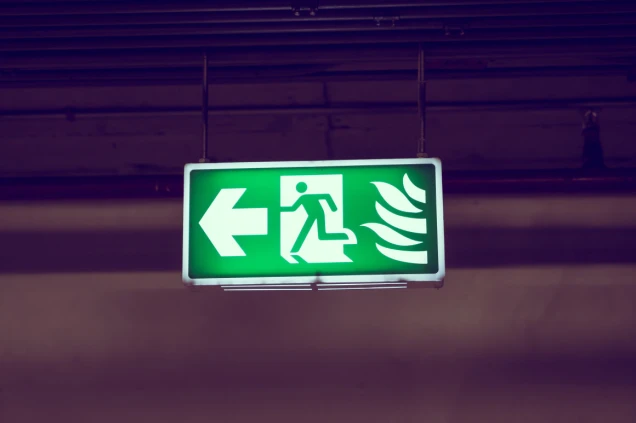
Keep escape routes clear
In the event of a fire, every minute counts. Therefore, ensure that hallways, stairwells, and exits can be used at all times.
Discuss within the family:
-
Which route leads quickly and safely outside?
-
Is there a second escape route?
-
Who needs assistance in an emergency?
-
Where is the meeting point outside the building?
Do not place furniture, bicycles, strollers, or other objects in escape and rescue routes.
In case of fire

In case of fire
Discovering a fire, act as calmly and quickly as possible.
-
Get yourself and others out of the danger zone.
-
Alert people in the immediate vicinity.
-
Leave the building via a secure escape route.
-
Close doors behind you if possible without delay.
-
Do not use elevators during a fire.
-
Do not enter areas already heavily smoke-filled.
-
Call the fire department at 112.
During an emergency call, the exact location of the fire and the nature of the incident are particularly important. Stay on the phone and answer the control center's questions.
What to do in case of smoke?
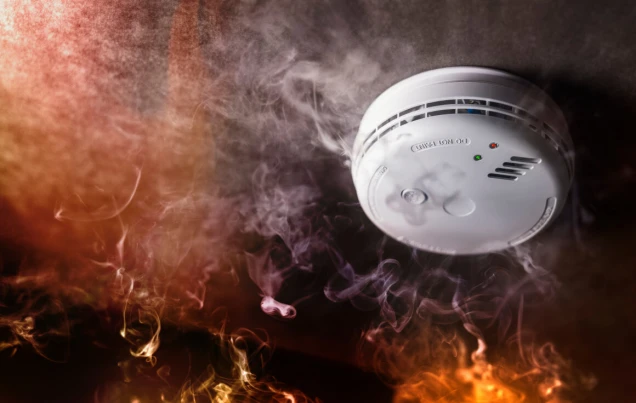
What to do in case of smoke?
Smoke can impair orientation and quickly become a significant danger. Therefore, do not attempt to flee through heavily smoke-filled areas.
If the escape route is no longer safely passable:
-
Stay in a room as protected as possible.
-
Close the door to the fire area.
-
Make yourself noticeable to the emergency services.
-
Inform the fire department of your situation.
-
Follow the emergency services' instructions.
Supporting people and animals
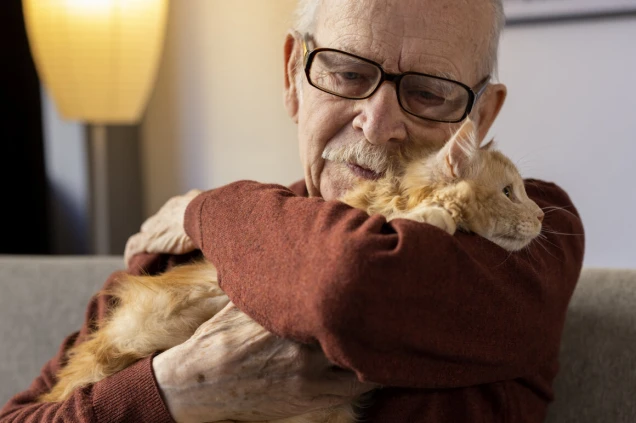
Supporting people and animals
When planning fire safety, also consider individuals who cannot evacuate without assistance in case of an emergency. This may include young children, elderly people, or individuals with limited mobility.
Think in advance about how these individuals can quickly leave the building in case of a fire.
Pets should also be taken into account in your emergency planning.
Important: Do not put yourself at risk to rescue people, animals, or items from a burning building.
After a fire
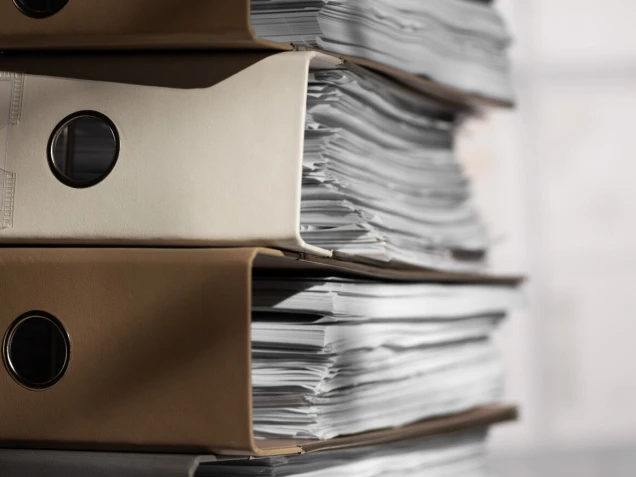
After a fire
Even if a fire has been extinguished, danger may still persist.
The building may only be re-entered once the responsible emergency services have cleared it.
After a fire, smoke, soot, damaged wiring, or weakened building structures can pose a danger.
Document damages if possible and coordinate the next steps with the responsible authorities and your insurance company.
Staying in Nature
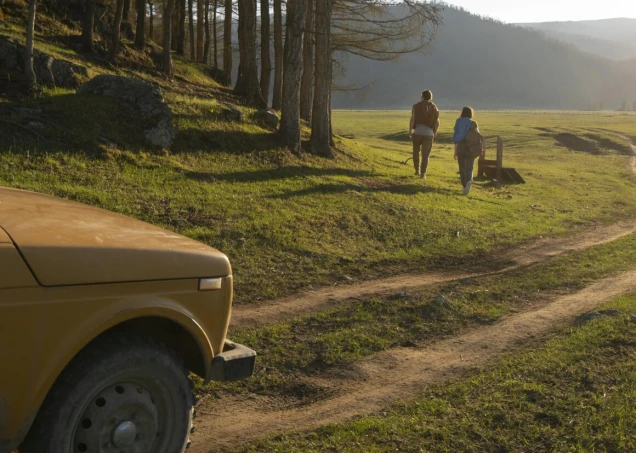
Staying in Nature
Smoking is prohibited throughout the forest from March 1 to October 31.
Do not start open fires in the forest or near the forest: This includes campfires, torches, and grills. Only grill at designated locations.
Park only in designated parking areas. Dry grass areas can catch fire due to the heat from vehicle parts.
Keep access roads to forests, reservoirs, and bathing lakes clear at all times. They serve as important rescue routes for fire and emergency services. Observe parking and stopping restrictions!
Preventing Forest and Vegetation Fires
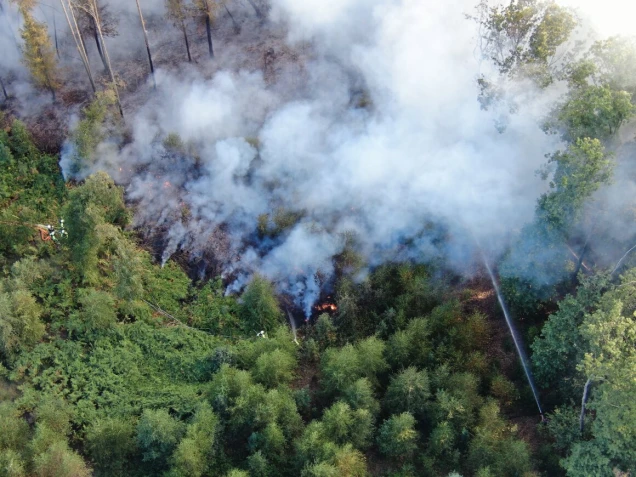
Preventing Forest and Vegetation Fires
Do not leave trash in nature. In addition to cigarette butts, items such as glass bottles and shards can pose a fire hazard.
Be vigilant: If you observe smoke or discover a fire, report it immediately via emergency number 112.
Leave the danger area and do not attempt to extinguish the fire yourself.
Caution even in your own garden!
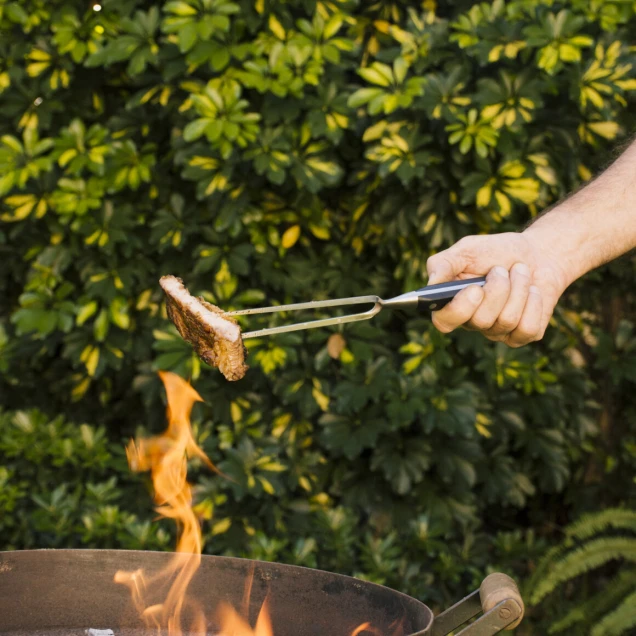
Caution even in your own garden!
During prolonged periods of drought and persistent soil dryness, extra caution is required!
Refrain from using open flames and avoid activities that can create sparks.
If you barbecue, pay special attention to a safe location and sufficient distance from dry grass, hedges, and other flammable materials. Never leave the grill unattended and ensure that embers and ashes are completely extinguished.
It is imperative to refrain from using flame devices to remove weeds. Dry vegetation can easily catch fire.
Guide & Checklist: Preparing for Crises and Disasters
The guide from the Federal Office for Civil Protection and Disaster Assistance (BBK) supports you in preparing for crises and disasters.
Practical recommendations and checklists show how to provide for yourself and your family and act appropriately in emergencies.
