 copyright: Florian Reuter
Flood
Learn more about emergency preparedness.
This page was translated from German using artificial intelligence. The translation may contain errors or inaccuracies. In case of doubt, the German original version prevails.
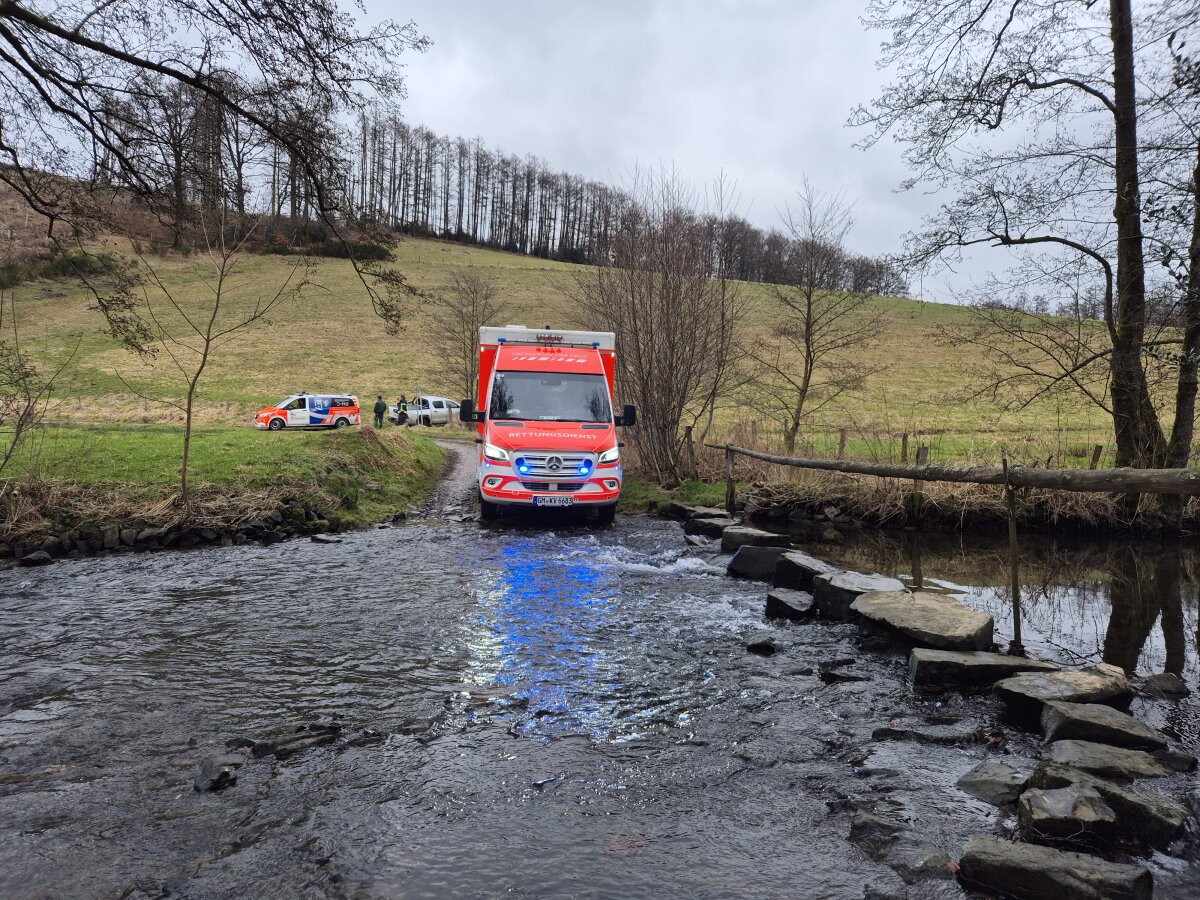
Floods and heavy rainfall can occur at any time and have significant consequences for people, buildings, and infrastructure. Not only residents near rivers are affected, but also areas where large amounts of water cannot drain quickly enough during intense rainfall.
Early preparation helps to recognize dangers, reduce damage, and respond appropriately in case of an emergency.
Protect buildings and property
Protect buildings and property
Appropriate measures can help reduce potential damage:
-
Remove important items from vulnerable areas such as basements or ground floors.
-
Keep important documents and personal records protected from water.
-
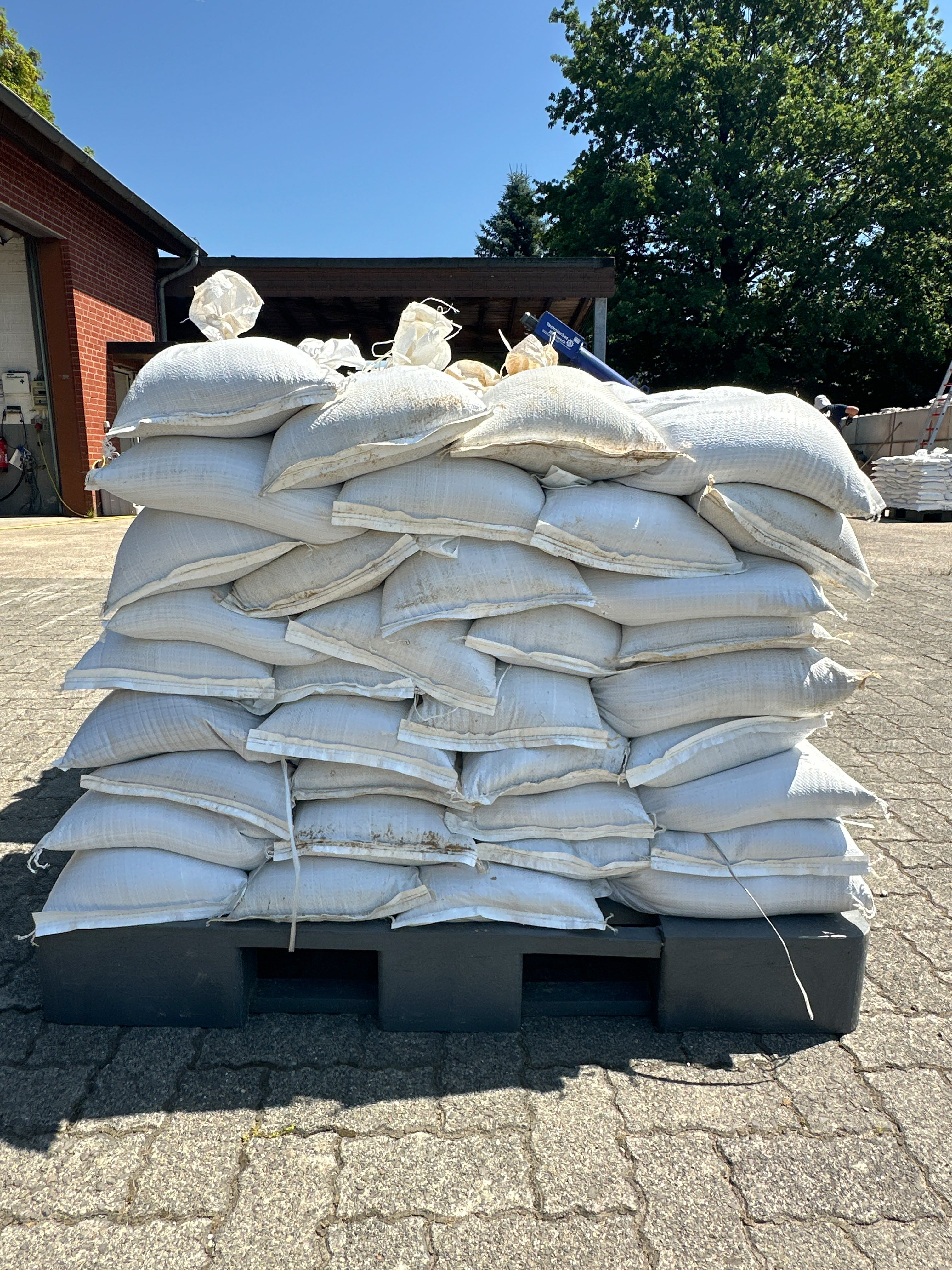
Prepare suitable tools like sandbags, plastic sheets, or sealing materials.
-
Secure heating oil tanks and other installations against damage caused by incoming water.
-
Check options for protection against backflow and incoming water.
Structural precautionary measures can also help reduce the impacts of flooding.
Personal emergency preparedness
Personal emergency preparedness
In case of a prolonged disruption, you should have personal emergency supplies ready, such as:
-
Drinking water and non-perishable food
-
Flashlight and spare batteries
-
Radio (battery-powered or hand-crank operated)
-
Charged power banks
-
Essential medications
-
First aid materials
-
Important documents
-
Weatherproof clothing and sturdy footwear
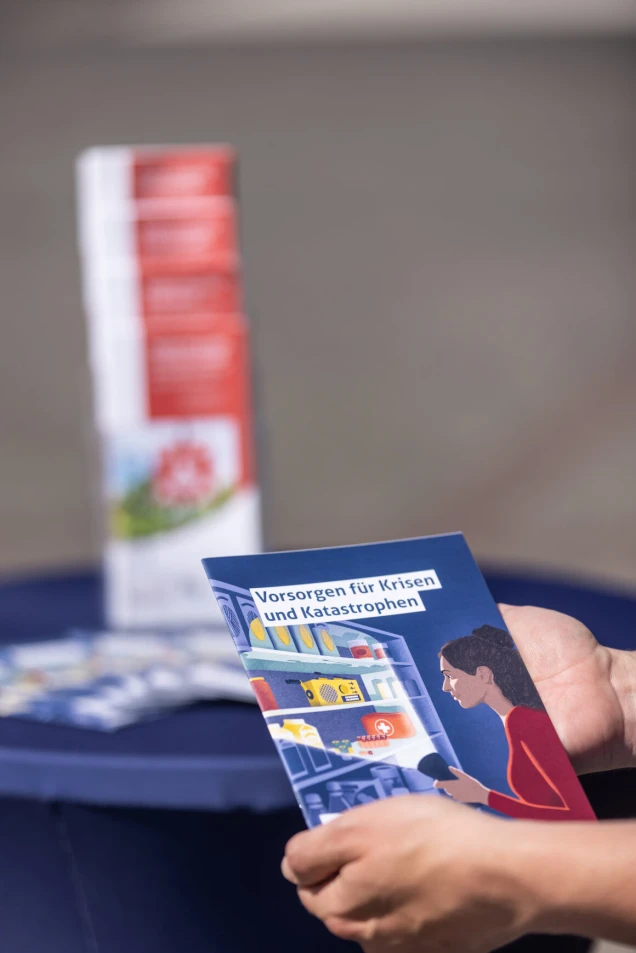
The BBK guide “Preparing for Crises and Disasters” offers practical recommendations and checklists for personal preparedness.
When floods threaten
When floods threaten
-
Follow current warnings and information from the relevant authorities.
-
Is your residence or property in a flood-prone area?
-
Follow instructions from emergency personnel.
-
Avoid vulnerable areas and do not stay in flooded zones.
-
Assist neighbors who need help.
Avoid dangers
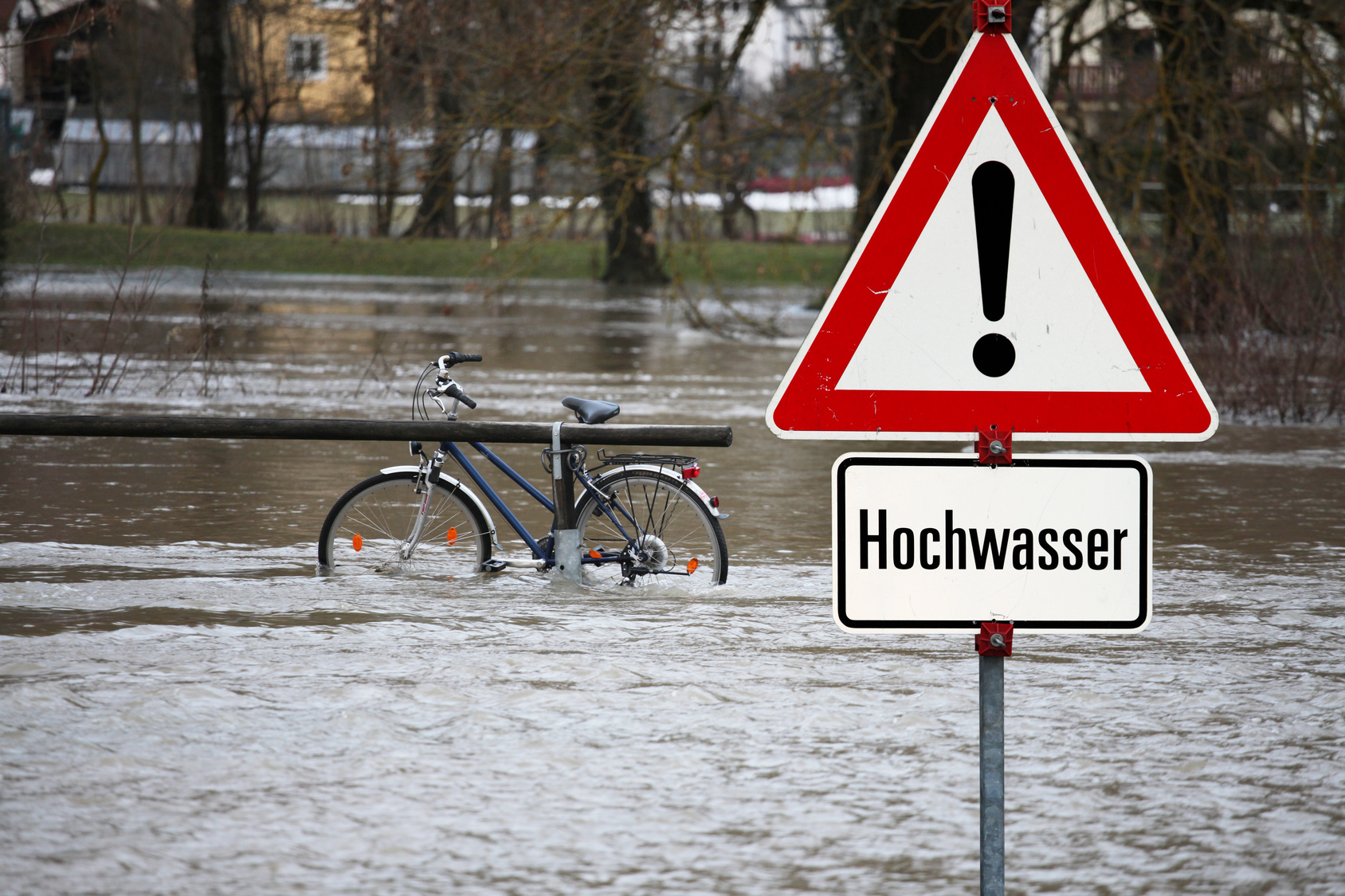
Avoid dangers
Floods can pose specific dangers:
-
Do not enter flooded basements or rooms with potential electrical hazards.
-
Do not drive on flooded roads - water levels and currents can be underestimated.
-
Keep away from waterways and shorelines.
-
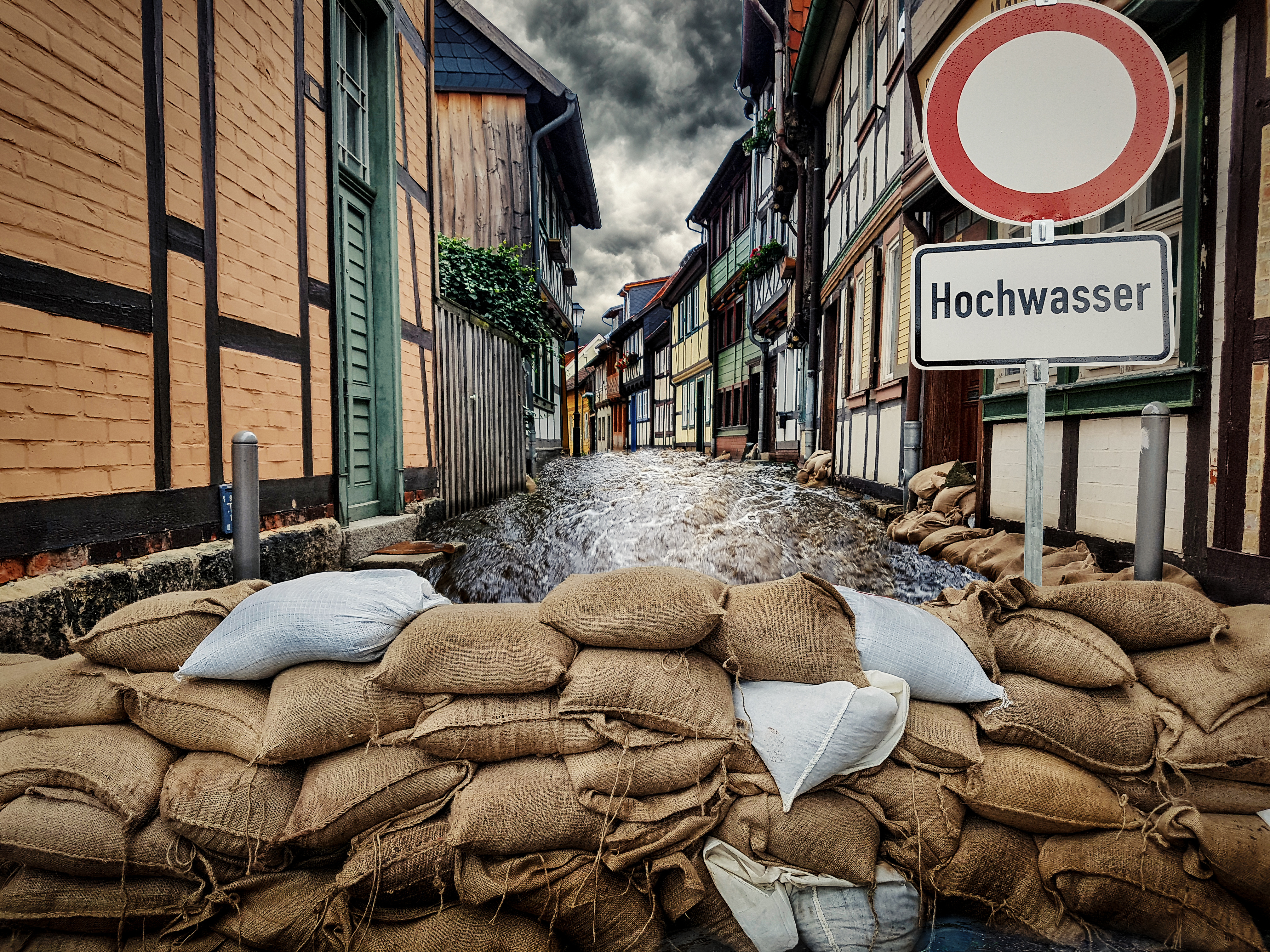
Observe barriers and warning signs.
In case of acute danger, call the fire department emergency number:112.
Post-flood behavior
Post-flood behavior
When the water recedes, dangers remain.
Note:
-
Only enter damaged buildings when they are safe.
-
Document damages for insurance and authorities.
-
Have electrical systems and heating systems inspected before using them again.
-
Carefully remove water and mud, paying attention to possible contamination.
-
Support neighbors and helpers, but also prioritize your own safety.
Guide & Checklist: Preparing for Crises and Disasters
The guide from the Federal Office for Civil Protection and Disaster Assistance (BBK) supports you in preparing for crises and disasters.
Practical recommendations and checklists show how to provide for yourself and your family and act appropriately in emergencies.
