 copyright: Bild von wirestock auf Magnific
Storms, Thunderstorms, and Hail
Learn more about emergency preparedness.
This page was translated from German using artificial intelligence. The translation may contain errors or inaccuracies. In case of doubt, the German original version prevails.
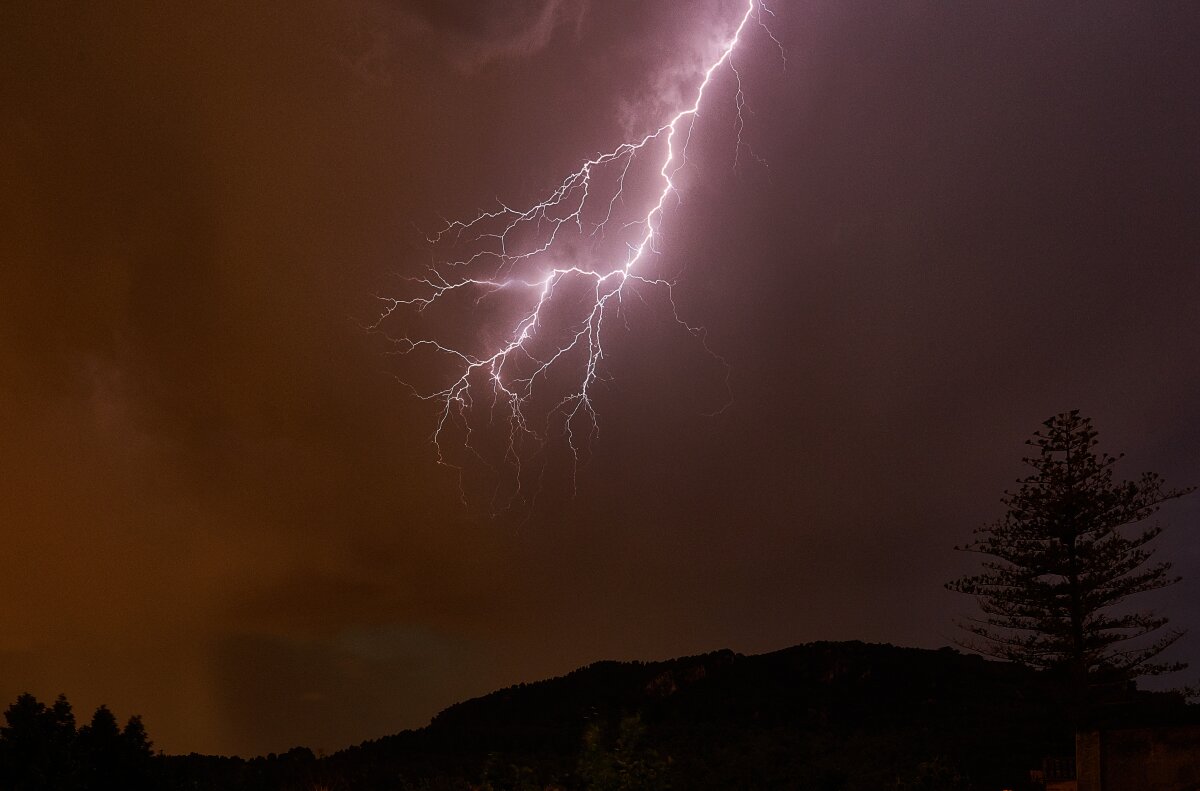
Storms, severe thunderstorms, and hailstorms can cause significant damage and endanger people. Falling trees, falling branches, damaged roofs, or flying objects pose a danger, especially during a storm.
Pay attention to warnings and stay informed
Pay attention to warnings and stay informed
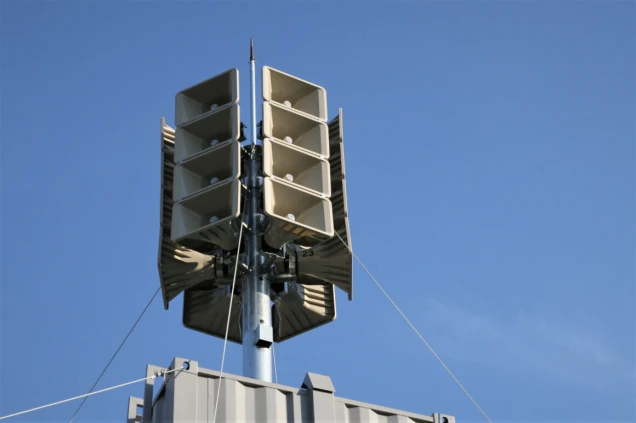
Storms are often announced in advance. Use official warning and information sources to react in time.
The following is recommended:
-
Regularly check for weather warnings.
-
Use warning apps such as NINA and other official warning systems.
-
Follow advice and recommendations from district administrations, municipalities, and emergency services.
-
Discuss with your family how to behave in an emergency.
Prepare house and property
Prepare house and property
Prepare your home as early as possible for potential storms:
-
Secure loose objects in outdoor areas, such as garden furniture, flower boxes, tools, or bicycles.
-
Close and secure windows, doors, and shutters.
-
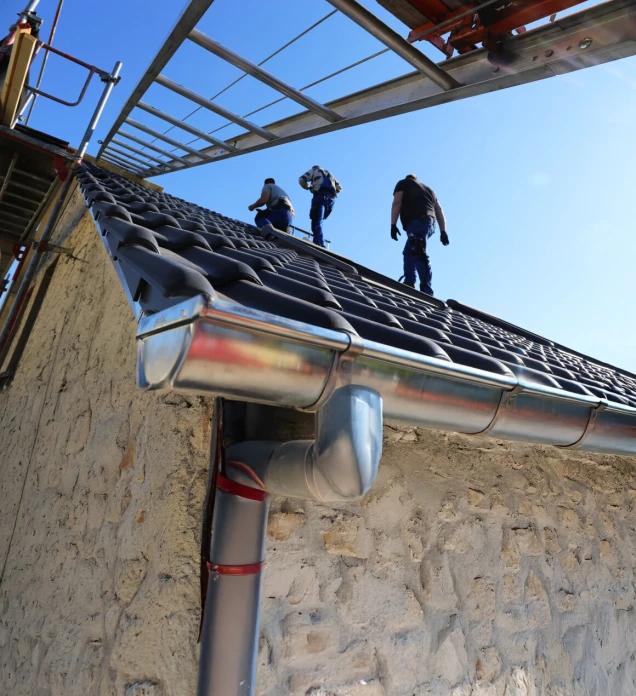
Regularly check roofs, gutters, and possible weak points on the building.
-
Trim damaged or endangered branches and ensure the stability of trees.
-
Park vehicles in protected areas, especially when hail is forecasted.
What to do during a storm?

What to do during a storm?
During a Storm
-
Stay indoors as much as possible.
-
Avoid forests, parks, and areas with trees.
-
Keep a distance from windows and protect yourself from possible glass shards.
-
Use vehicles only if absolutely necessary.
-
Follow barriers and warnings from authorities.
During Thunderstorms and Lightning Danger
-
Seek shelter in a building.
-
Keep a distance from windows and doors.
-
Avoid being outdoors, especially in open areas, under isolated trees, or near bodies of water.
-
Refrain from swimming or bathing during a thunderstorm.
During Hail
-
Move vehicles and sensitive items to safety as early as possible.
-
Stay indoors during heavy hail.
-
Keep a distance from windows and glass surfaces.
-
Protect yourself from injuries caused by hailstones and damaged components.
After the storm

After the storm
Even after a storm or severe thunderstorm, dangers may persist.
Take note of the following:
-
First, ensure your own safety and assist injured persons.
-
Call emergency services at 112 in case of imminent danger or injuries.
-
Enter damaged buildings cautiously and avoid areas at risk of collapse.
-
Keep a safe distance from damaged roofs, loose components, and fallen trees.
-
Do not touch damaged electrical systems or wires.
-
Document damages for insurance purposes before starting cleanup work.
Guide & Checklist: Preparing for Crises and Disasters
The guide from the Federal Office for Civil Protection and Disaster Assistance (BBK) supports you in preparing for crises and disasters.
Practical recommendations and checklists show how you can take good care of yourself and your family in an emergency and act appropriately.
