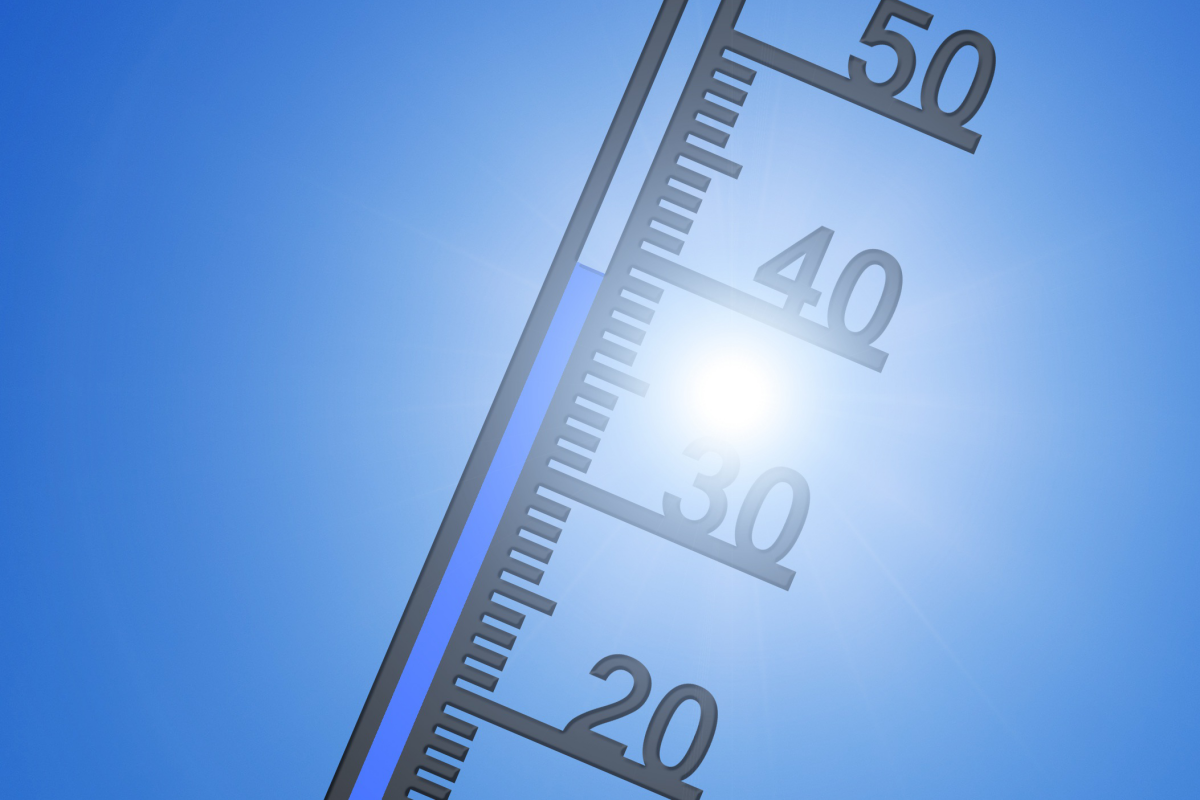
 copyright: Gerd Altmann / pixabay
Heat protection
This page was translated from German using artificial intelligence. The translation may contain errors or inaccuracies. In case of doubt, the German original version prevails.
Heat – Getting through hot days safely
Summer heat stress is also increasing in the Oberbergischer Kreis as a result of climate change. Hot days (from 30°C), tropical nights (from 20°C) and prolonged heat periods occur more frequently than in the past. Heat impairs performance and well-being and can lead to serious health problems, especially for vulnerable people.
Climate adaptation
Prolonged heat periods are a consequence of climate change. Measures such as greening, de-sealing, shading and energy-efficient renovation can help reduce heat stress in towns and municipalities.
Here you will find further information on climate change and climate adaptation in the Oberbergischer Kreis.
Why is heat dangerous?
The body normally keeps its temperature constant through sweating (thermoregulation). However, during prolonged or intense heat, this natural cooling is sometimes no longer sufficient. This can lead to fluid and salt loss and put considerable strain on the circulatory system.
Depending on severity, physical complaints can range from heat rash to life-threatening emergencies such as heatstroke.
Recognising symptoms
Mild symptoms
Watch out for the following warning signs and adjust your behaviour if you notice symptoms in yourself or others:
-
intense thirst
-
dry mouth
-
tiredness or exhaustion
-
dizziness
-
headache
-
muscle cramps
-
nausea
-
increased pulse
-
heavy sweating
-
heat rash
-
sunburn
Emergency – call the emergency medical service (112) immediately
Call emergency services without delay if a person
-
becomes unconscious or is barely responsive,
-
suddenly appears confused,
-
develops seizures,
-
has a body temperature above 39 °C,
-
repeatedly vomits severely,
-
suffers circulatory collapse (dizziness, sudden paleness, cold sweat, darkening of vision, racing heart),
-
develops severe headache with impaired consciousness.
Until the emergency medical service arrives, the affected person should be taken to a cool place, have their clothing loosened and – if they are conscious – be carefully cooled. Never leave affected persons alone!
How to protect yourself from heat
Find out about current heat warnings from the German Weather Service and take them seriously! For example, make use of available warning apps.
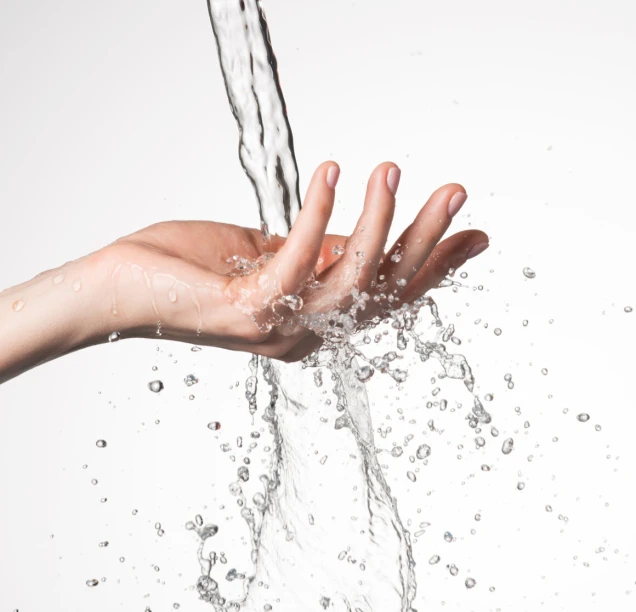
Cool the body
-
take cool showers, only dry off lightly afterwards
-
cooling arm and foot baths
-
place damp cloths on the forehead or neck
-
wear light, pale-coloured, loose clothing that does not fit tightly to the body
-
spray water on the skin
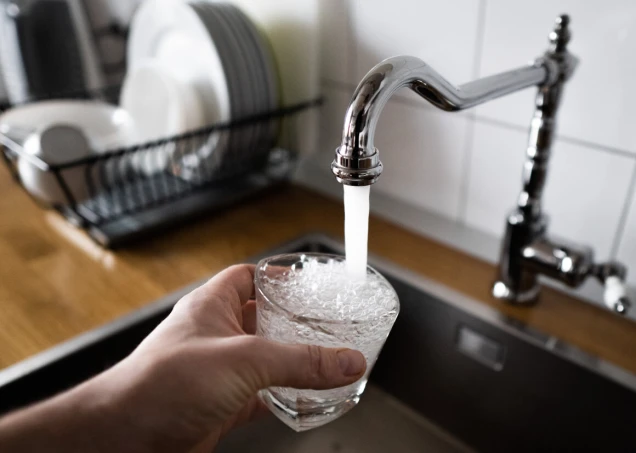
Seek out cool places
-
go to places that are cooler than your home, e.g. shaded spots such as parks, gardens, forests or public air-conditioned rooms
-
find out about cool places in your vicinity, e.g. public places such as churches, libraries, museums or gardens
Drink plenty
-
drink regularly – even without feeling thirsty
-
prefer water and unsweetened drinks
-
ensure adequate salt intake (unless medically contraindicated)
-
avoid alcohol

Light meals
-
several small and easily digestible meals throughout the day
-
avoid heavy, fatty food
-
season sufficiently with salt to meet the body's salt requirements
-
pay increased attention to kitchen hygiene
-
keep food refrigerated and do not store it for long periods
-
maintain the cold chain for chilled and frozen food
Keep the flat cool
-
ventilate at night and in the morning
-
close windows and provide shade during the day
-
use a fan or air conditioning, if available
Sleeping healthily
-
if possible, use a cool room as a bedroom
-
use light bedding, e.g. just the duvet cover
-
wear light sleepwear
-
cool nightwear or bedding in a freezer compartment (in a plastic bag)
Avoid the sun, protect against UV radiation
-
move physical exertion to the morning or evening hours
-
seek shade
-
use a sun hat, sunglasses and sun protection
Intense sunlight can have both short-term and long-term effects on the skin and eyes due to the UV radiation it contains.
-
Therefore protect yourself from UV rays
-
apply enough sunscreen and reapply it regularly, especially after being in the water

Avoid physical activity and staying outdoors
-
if possible, limit strenuous exertion
-
move activities to the cooler morning and evening hours
-
avoid direct sunlight
-
stay in the shade whenever possible
Look out for other people
-
regularly contact elderly or sick neighbours and relatives
-
never leave children or animals in the car, not even "just for a moment"
Who is particularly at risk?
Heat can put anyone at risk!
Not everyone reacts to heat with the same sensitivity. The following are particularly at risk:
-
people aged 65 and over
-
older people living alone
-
people in need of care
-
infants and young children
-
pregnant women
-
people with chronic or acute illnesses
-
people who regularly take certain medications
-
people who do physically demanding work or work outdoors
-
homeless people
-
people with addictions
-
Young and healthy people can also be affected in particular ways! For example, through:
-
sport and other activities in the heat, including at outdoor swimming pools
-
gardening
-
extensive sunbathing
-
Information for particularly vulnerable groups
Older people
With increasing age, the sensation of thirst often decreases and the ability to regulate body temperature declines. In addition, illnesses or medications can affect fluid and electrolyte balance.
Recommendations:
-
drink regularly; for example, set an alarm regularly to remind yourself
-
do not change medication on your own
-
store medicines in a cool place and according to the manufacturer's instructions
-
avoid physical exertion
-
stay in cool rooms whenever possible
Infants and young children
-
never expose to direct sunlight
-
give fluids regularly
-
light clothing
-
never leave children alone in the car, not even "just for a moment"
Pregnant women
-
drink enough
-
reduce physical exertion
-
avoid direct sunlight
-
seek medical advice in case of circulatory problems
People with chronic illnesses
Certain conditions (e.g. cardiovascular diseases, diabetes, kidney disease or lung disease) increase the risk of heat-related complaints.
-
If necessary, talk to your treating doctor about any adjustments needed during longer heat periods.
Homeless people
Extreme heat can be life-threatening. Lack of access to drinking water, shade or suitable places to stay significantly increases the risk.
-
If you have the impression that a homeless person needs help, contact the emergency medical service (112).
Never leave affected persons alone!
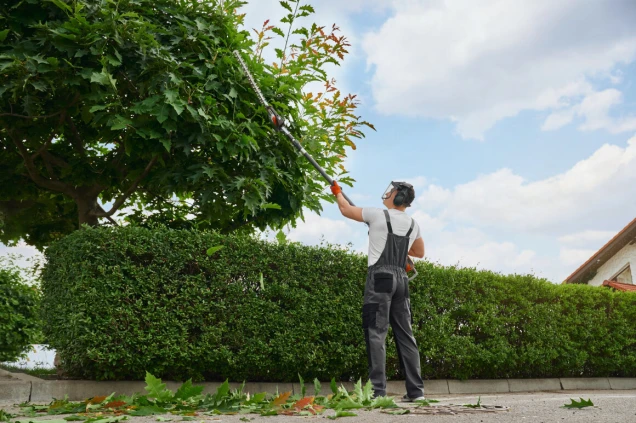
People who work outdoors (e.g. in road construction, roofing)
-
frequent breaks in the shade
-
drink enough
-
if necessary, adjust working hours to avoid peak heat
People who do outdoor sports
-
reduce training load, take frequent breaks in the shade
-
use morning and evening hours
-
drink enough
