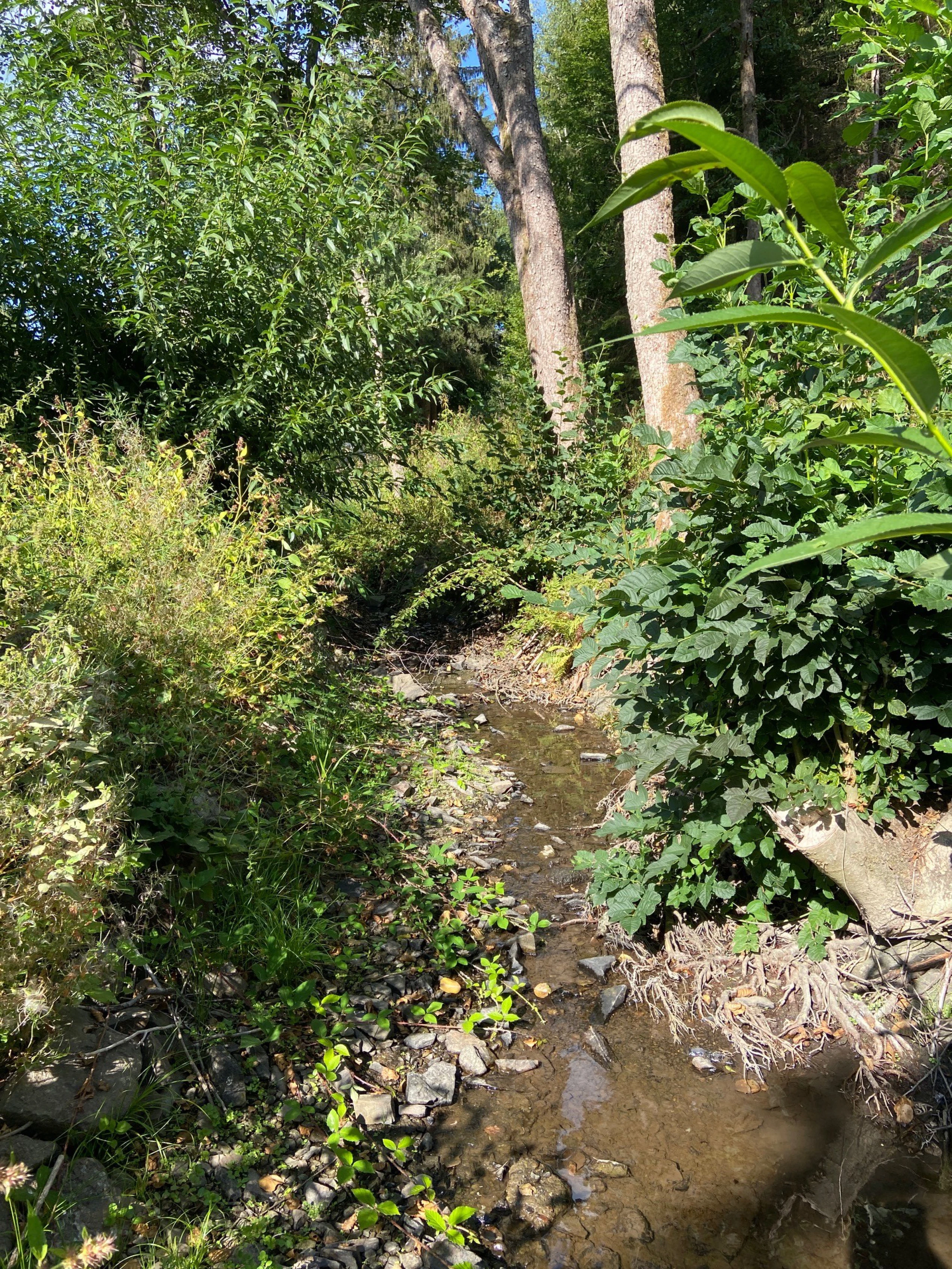
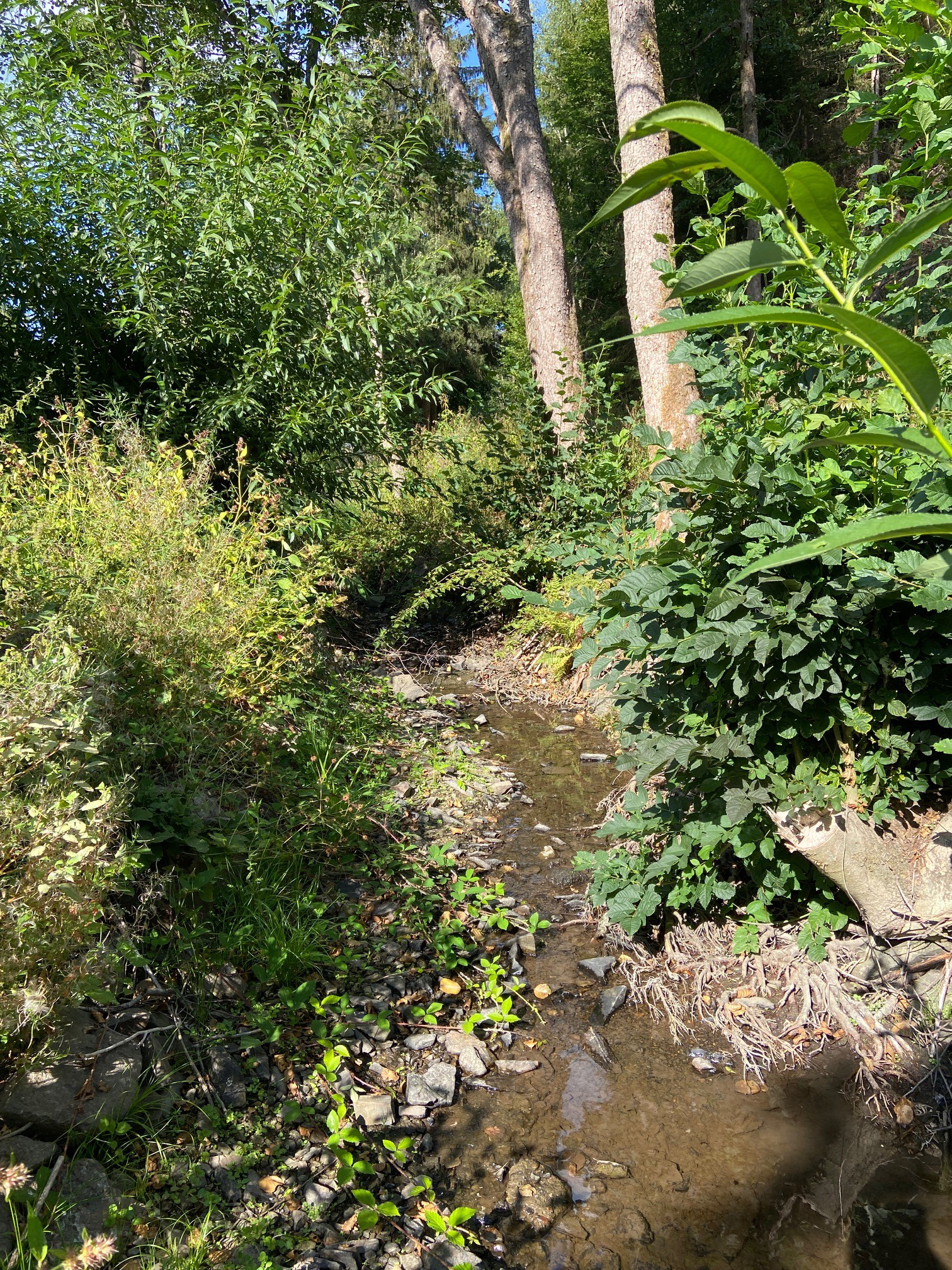
This affects the state of the water bodies and has other consequences for nature. "The deficit also impacts plants and animals. Water bodies are not only habitats for many endangered fish and insect species. They are also essential for the survival of many land-dwelling animal species," says the environmental officer of the Oberberg District, Frank Herhaus.
In the water bodies of the Oberberg District, water levels are currently very low, even despite precipitation in winter or spring. "This condition is also the result of the constant water shortage in recent years," Frank Herhaus further explains.
For this reason, the environmental office of the Oberberg District has issued a general decree to restrict water extractions for all water bodies (streams, ditches, rivers, natural lakes) in the district of the Oberberg District, which will also be valid in the year 2026, from April to the end of October.
As a result, all water extractions within the scope of owner, adjacent landowner, and common use rights are prohibited; exceptions are extractions from the rivers Agger and Wupper, water extractions for watering livestock under the provisions of the NRW State Water Act, and extractions by scooping with hand-held containers, such as buckets or watering cans.
Water extractions under so-called “water law permits“ within the jurisdiction of the Oberberg District are limited to a maximum of 30% of the water flow at the extraction point during this time.
Frank Herhaus does not foresee the situation easing in the near future: "Even if there is short-term rain, the situation will not improve quickly. That is why we must ensure that the water bodies are not further burdened," explains Frank Herhaus regarding the ban.
He appeals to the understanding of citizens that the so-called "common use" of rivers and streams is now restricted or prohibited in the Oberberg District and in many other regions of the country.
The wording of the general decree can be read on the homepage of the Oberberg District at: www.obk.de/oeffbek.