Press release
Publication date: 2026-06-18
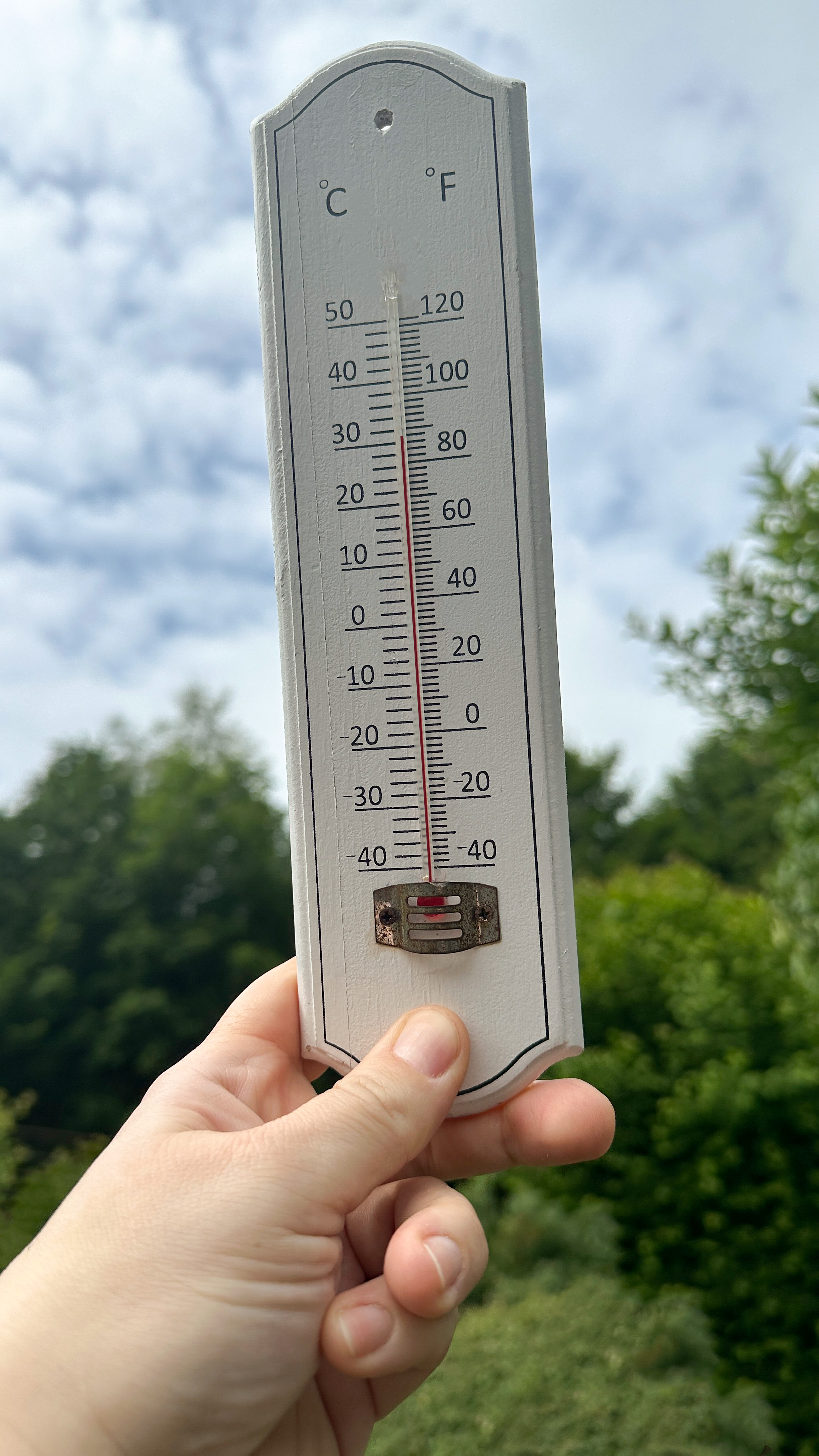
Heat wave forecast: Recommendations and precautionary tips for the summer season The district administration provides monthly information on emergency preparedness. This time, it’s about tips and recommendations for hot summer days.
Oberbergischer Kreis. High summer temperatures and persistent heat stress are expected in the Oberbergischer Kreis for the coming days. The Oberbergischer Kreis recommends that the population prepare early for the weather conditions, take health risks seriously, and pay special attention to vulnerable individuals.
The emergency services of the Oberbergischer Kreis regularly record operations due to circulatory problems and dehydration during prolonged heat periods. The cause is often insufficient fluid intake. "A lack of fluids can significantly stress the circulatory system. If you notice dizziness, severe exhaustion, concentration problems, or other complaints, you should act immediately and seek medical help if necessary," advises Dr. Ralf Mühlenhaus, head of the Emergency Services Department.
Adjusted daily routine
Kaija Elvermann, head of the Health Department, emphasizes that heat poses a health risk: "Older and chronically ill people, infants, and young children are particularly sensitive to high temperatures. Those taking medication should consider adjusting their intake during a heatwave after consulting with their treating doctor to reduce heat-related side effects. It's important for everyone to drink enough water, avoid direct sunlight, and adapt their daily routine to the heat as much as possible."
It is recommended to stay in the shade or cool indoor spaces during the hottest part of the day, approximately between 11:00 AM and 5:00 PM. Outdoors, sunscreen, sunglasses, head coverings, and light, airy clothing can protect against the effects of intense sun exposure. Physically demanding activities and sports should preferably be scheduled for the early morning or evening hours.
The heat burden can also be reduced indoors. Windows should be closed and shaded during the day. Ventilation should preferably occur during the cooler night and morning hours. Fans or air conditioning units can provide additional relief.
Looking out for one another!
In addition to self-protection, mutual care plays an important role. Elderly people and those in need of care often notice the effects of heat late. Special attention should also be given to homeless individuals and those who live alone or have health limitations. Relatives, neighbors, and the personal environment can help identify health emergencies early.
"A quick phone call, a visit, or asking if help is needed can make a big difference these days. Heat is not just a personal challenge but a societal task. No one should be left alone to cope with the strain," emphasizes Birgit Hähn, head of the Department for Safety and Order.
It is also particularly important not to leave people or animals in parked vehicles: "There is a life-threatening risk within a very short time."
Long-term preparation
In addition to short-term protective measures, the Oberbergischer Kreis also highlights the importance of long-term planning. Green facades and roofs, unsealed surfaces, as well as shade-providing trees and shrubs, help lower ambient temperatures.
During new construction or renovations, heat-insulating windows, shading systems, good insulation, and heat-resistant building materials can help keep indoor spaces comfortable even during high outdoor temperatures. Furthermore, photovoltaic systems on roofs can reduce the heat load of buildings.
For more information on heat protection, health risks, and the heat warning app of the German Weather Service, the Oberbergischer Kreis provides resources at www.obk.de/hitze.