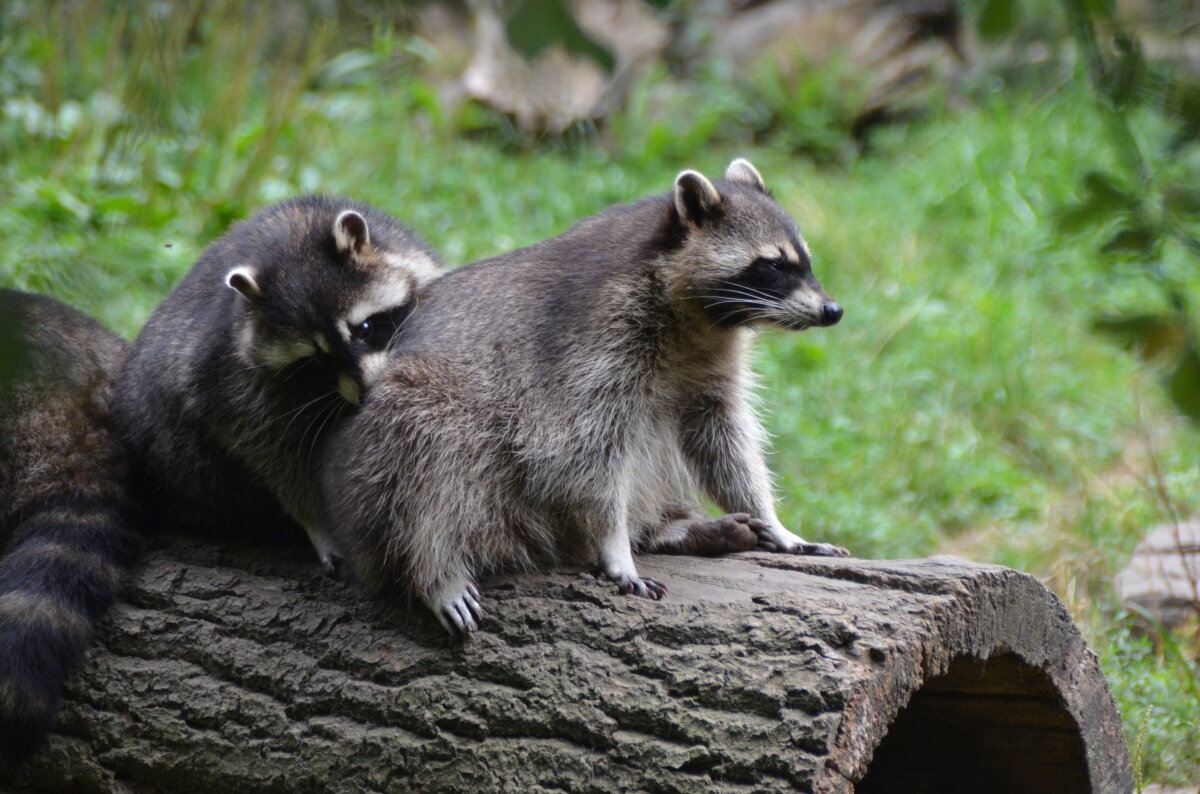
 copyright: Jessica Schöler
The raccoon in the Oberberg district
The raccoon originally comes from North America. It is increasingly spreading in Germany - including in the Oberberg district.
What citizens should know now.
This page was translated from German using artificial intelligence. The translation may contain errors or inaccuracies. In case of doubt, the German original version prevails.
Development of the Raccoon Population
-
Until around 2019, raccoon hunting played only a minor role.
-
Since then, the number of culls has risen sharply – from around 100 to about 650 animals per year.
-
This indicates a massively growing population.
Impact on Nature and Wildlife
The raccoon is an adaptable predator. It
-
displaces other predators like the fox,
-
regularly raids bird nests,
-
threatens populations of birds of prey and songbirds,
-
affects hedgehogs, reptiles, and amphibians.
Many painstakingly established conservation programs are thereby nullified.
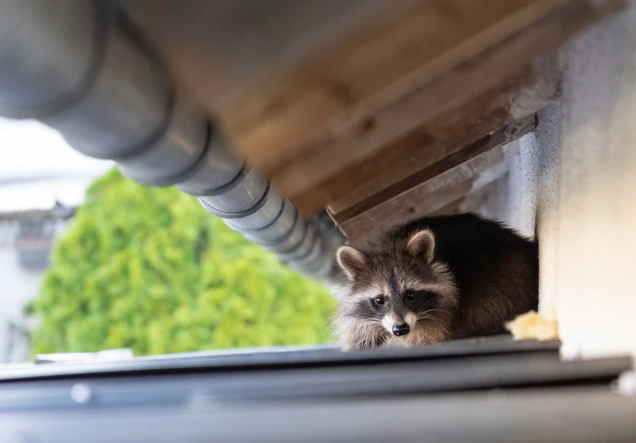
Habitat
Raccoons prefer living at forest edges, near water bodies – but also in close proximity to humans.
They often invade attics and cause damage there.
Legal Status
-
The raccoon is a huntable species in NRW.
-
It may be hunted from September 1st to February 28th.
-
Juvenile raccoons may be hunted year-round.
-
Hunting is generally prohibited in peaceful areas (e.g., residential areas, house properties) – except with a special permit.
Important: Private individuals are not allowed to catch or kill raccoons themselves.
Support from the District Hunting Association
The District Hunting Association Oberberg has established a "Working Group (WG) Raccoon and Marten" consisting of specially trained trappers. These hunters have special permits to trap raccoons in residential areas using traps.
Contact:
District Hunting Association Oberberg e. V.
Jörg Multhaup
Mobile: 0174 9555 880
Email: mobil@jelitte-multhaup.de