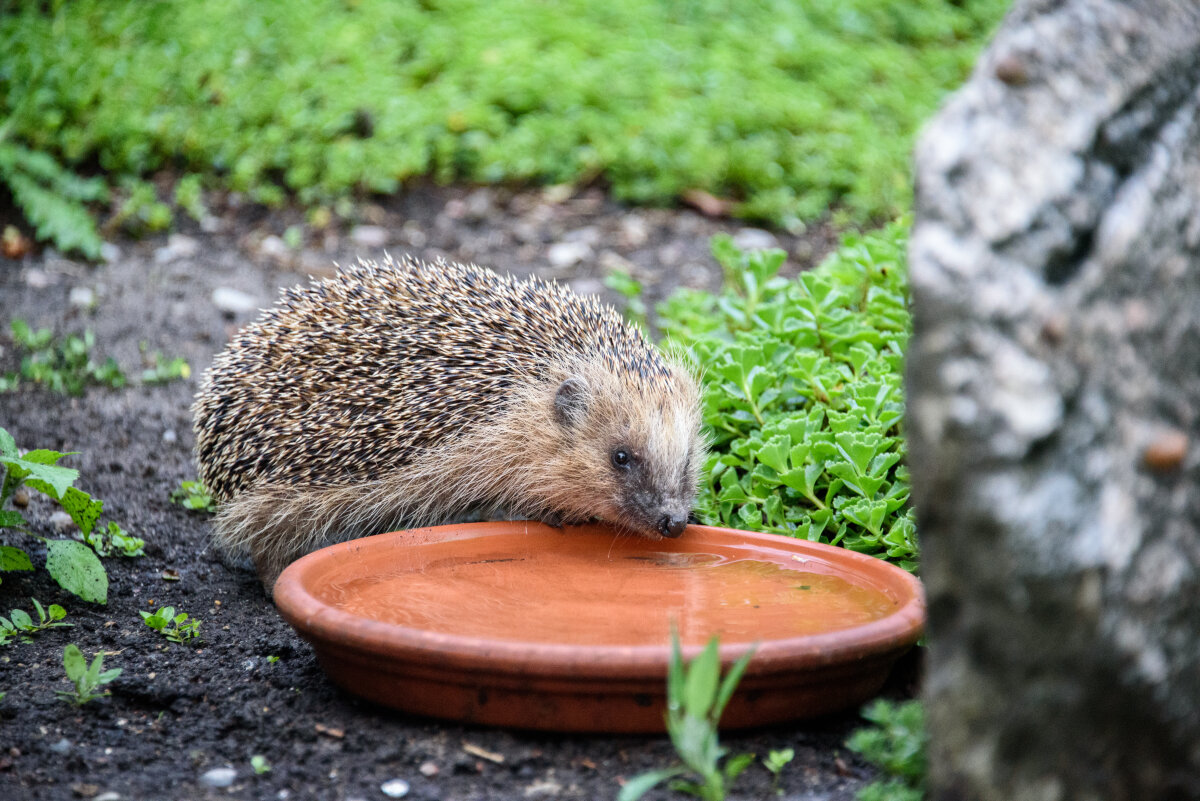
 copyright: Sylvester Boldicke
Protection of the native hedgehog
This page was translated from German using artificial intelligence. The translation may contain errors or inaccuracies. In case of doubt, the German original version prevails.
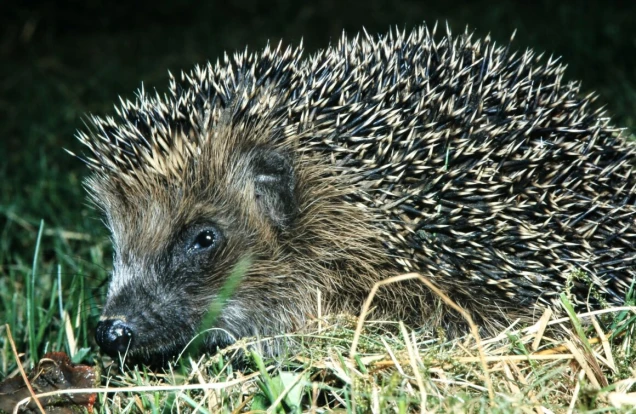
Almost everyone knows the hedgehog. But many – especially young people – have never seen one in the wild. There is a reason for this. The native European hedgehog has also become rarer in the Bergisches Land region.
While the animals were often found in gardens in the past, their numbers have been declining significantly in recent years. Road traffic, intensive garden use, sealed surfaces, and pesticides make it increasingly difficult for hedgehogs to survive.
Night-operating robotic mowers also pose a significant threat to hedgehogs.
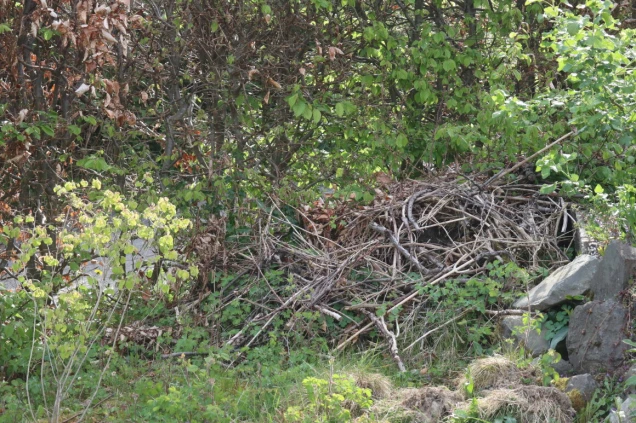
The hedgehog relies on natural, structured, and safe gardens as a habitat!
The Oberberg District and the Biological Station Oberberg therefore want to draw attention to the situation of the hedgehog and the dangers it faces with an informational campaign launched in 2026 and show how the animals can be helped.
At the following link, the Biological Station Oberberg provides further information and tips for hedgehog-friendly garden design:
Contact
Volker Scheffels-von Scheidt
Karlstr. 14-16
3.Obergeschoss, Raum: 307
51643 Gummersbach
Biological Station Oberberg e.V.
Red House, Schloss Homburg 2
51588 Nümbrecht