Precautionary recommendations for dealing with potential heavy metal contamination in home gardens in Wildberg

As of September 2026

Share this page:
Automatic Translation

This page was translated from German using artificial intelligence. The translation may contain errors or inaccuracies. In case of doubt, the German original version prevails.
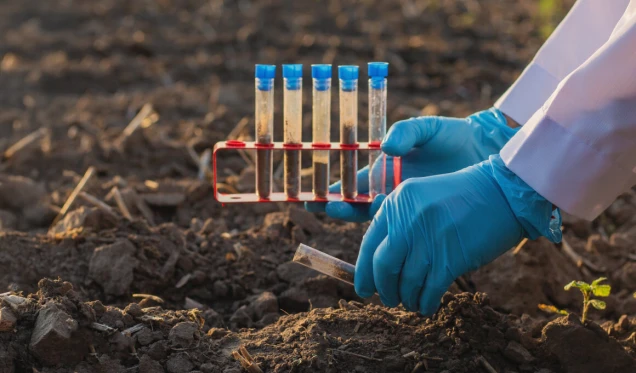
Eine Person in einem weißen Kittel und blauen Handschuhen hält Reagenzgläser mit Erde in einem roten Halter über einem Ackerboden. Im Hintergrund ist ein kleiner Keimling sichtbar.

Why is this notice being issued?

During soil investigations in connection with a soil protection measure, the Lower Soil Protection Authority found lead values in the topsoil in certain areas of Wildberg that exceed the test values of the Federal Soil Protection and Contaminated Sites Ordinance. It cannot currently be ruled out that other areas within Wildberg are also affected. Further investigations are currently being carried out to assess the risk.

Frequently asked questions

According to current knowledge, there is no acute danger for citizens. Nevertheless, it is advisable to observe some simple precautionary measures. The goal is to minimize direct contact with potentially contaminated soil and thus avoid or reduce potential health risks. The district administration of Oberbergischer Kreis has compiled the following recommendations for action. They are intended to serve as a guide for managing your home gardens.

In residential areas and especially on play areas for small children, the soil should be largely completely covered.

Suitable options include:

  • A dense grass area or ground cover

  • Bark mulch,

  • Paving and terrace slabs,

  • A cover with gravel

These measures can help reduce direct contact with potentially contaminated soil. As a precaution, children should not dig in the soil or play with it. After intensive gardening with direct soil contact, hands should be thoroughly washed. In cases of heavy soiling, it is advisable to change and wash clothing as well.

It is recommended to refrain from growing vegetables and fruits in home gardens. These plants can absorb heavy metals from the soil.

Drinking and domestic water from private wells or other self-supply systems should be tested for lead and other heavy metals. If the limit values of the Drinking Water Ordinance are exceeded, the water is not suitable for human use. There are generally no health concerns about using this water for watering a purely ornamental garden. However, beds where vegetables and fruits are grown should not be irrigated with contaminated water.

In cases of high heavy metal contamination in the soil, keeping animals in your garden should also be approached with special caution. This also applies to feeding plants from your own garden. Animals that graze in the garden or are fed with grass and other plants from the garden can absorb heavy metals. High levels of heavy metal intake can cause health problems in animals. This also applies to fish in garden ponds, as they can absorb pollutants very quickly through their gills and skin from the water. The uptake of heavy metals through the consumption of animals cannot be ruled out.

Particularly in the case of keeping chickens and other poultry, the animals' scratching and digging can stir up more dust. Additionally, pecking can lead to the animals ingesting soil particles. Currently, there are no maximum or limit values for lead in eggs under existing food law. Lead can generally accumulate in eggs. Therefore, the health assessment depends, among other factors, on the level of contamination in the eggs and the quantity of eggs consumed. Soil residues on eggs should always be thoroughly washed off.

Mining History

As you are surely aware, Wildberg's history is strongly influenced by mining. In the Wildberg mine, lead, silver, iron, and zinc ores were extracted and mined from the 12th century to the early 20th century. Naturally, areas with near-surface ore deposits tend to have elevated heavy metal levels in the soil, but these can also be caused by long-term human activities associated with non-ferrous metal mining.
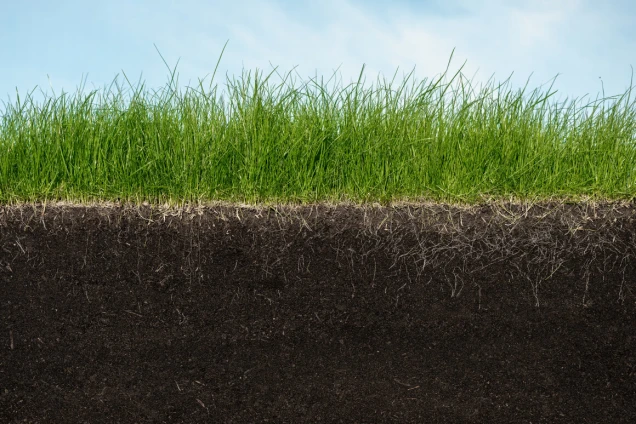
Querschnitt einer Grasfläche mit grünem Gras oberhalb und dunkler Erde mit sichtbaren Wurzeln darunter, vor einem blauen Himmel.

Where can you find more information?

Further information on the topic of animal feed can be found on the websites of the State Office for Consumer Protection and Food Safety of North Rhine-Westphalia (LAVE)

Download

Download this leaflet

Contact at Oberbergischer Kreis