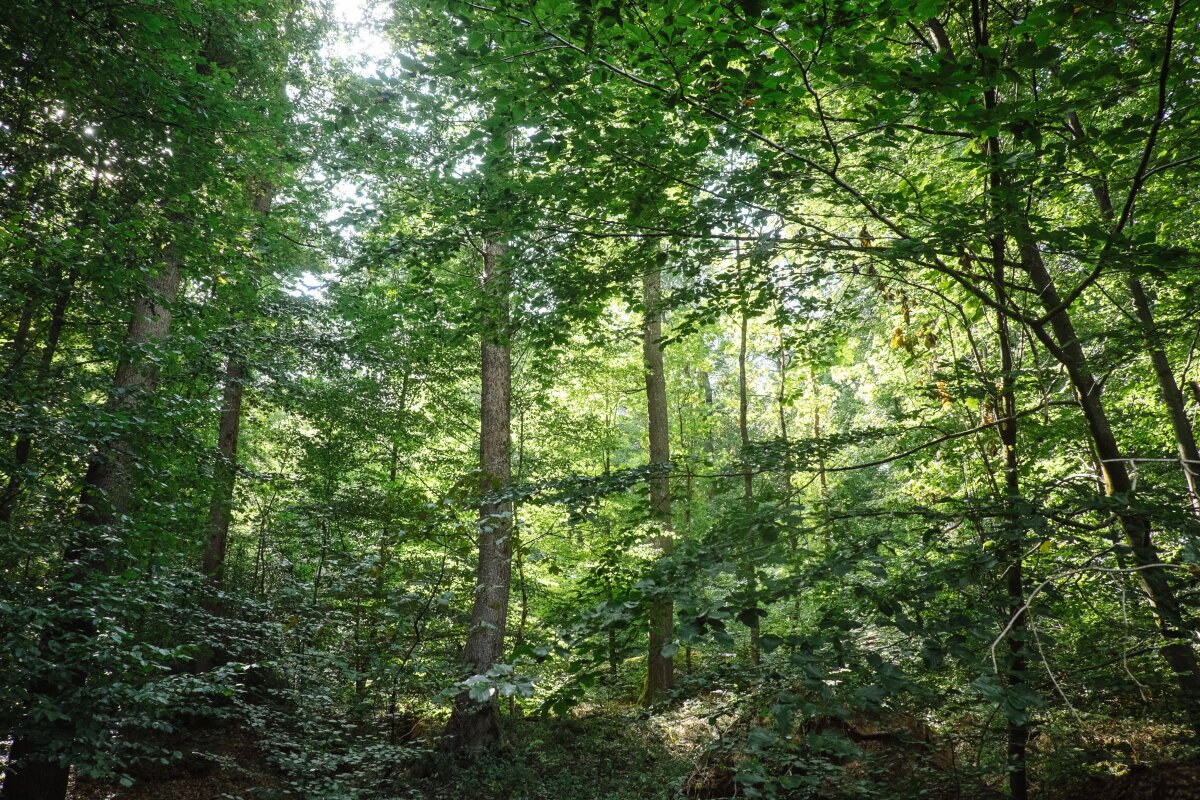
 copyright: Julius Peters
Oberberg Forest
This page was translated from German using artificial intelligence. The translation may contain errors or inaccuracies. In case of doubt, the German original version prevails.
Forest Agreement
Oberberg Agreement Reforestation, Nature Conservation, and Hunting - Together for the Future of the Forest in the Oberberg District
Climate change becomes visible
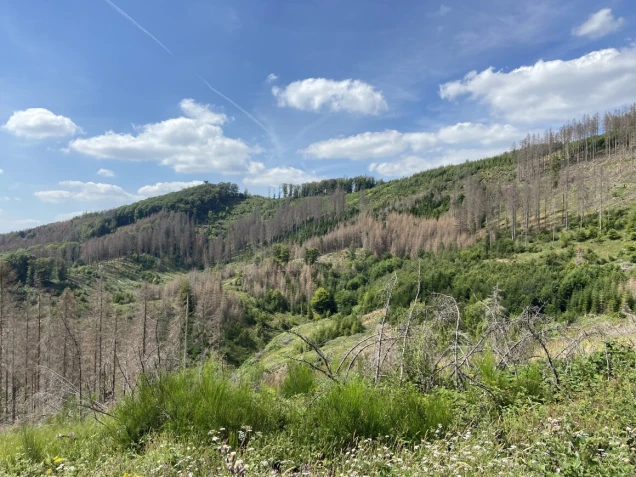
The impact of climate change is evident in forests. In the Oberbergischer Kreis, forests consisted of approximately half coniferous species (90 percent of which were spruce) and the other half of deciduous species, primarily oak, beech, and birch, until 2018.
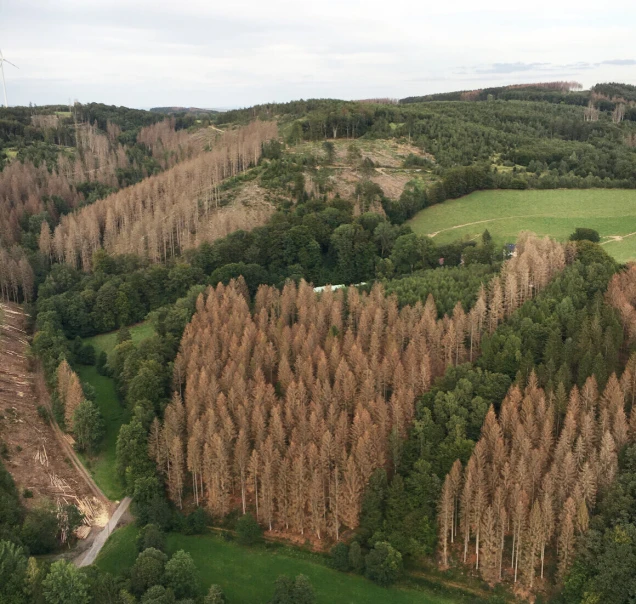
Due to the dry years from 2018 to 2020 and the resulting mass proliferation of bark beetles, spruce trees in the Bergisches Land have died off on a large scale. The Oberbergischer Kreis is one of the focal areas in North Rhine-Westphalia (NRW) where drought and bark beetle infestations have had a significant impact.
The widespread death of spruce trees has sparked extensive discussions among both the general public and experts. Many forest owners have suffered significant financial losses due to the damage. The ecological impact on the landscape and the changes to the scenic appearance are also considerable.
Working Group "Forestry, Nature Conservation, and Hunting in the Oberberg District"
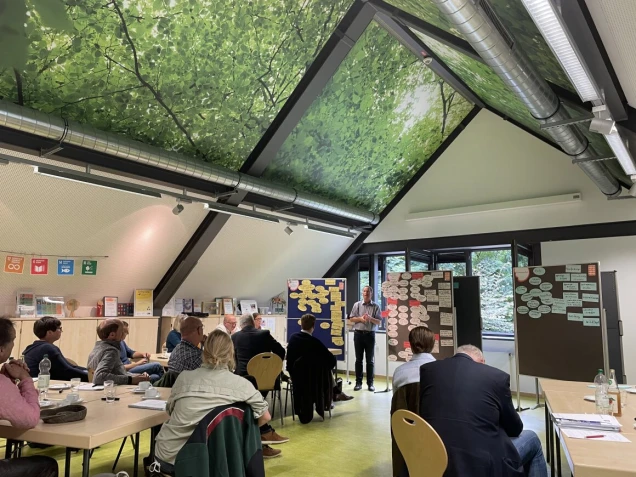
With the goal of supporting the successful development of climate-stable forests in Oberberg, the Oberberg District established the Working Group "Forestry, Nature Conservation, and Hunting in the Oberberg District," which initially focused on the topic of reforestation.
The first result of the working group's efforts is the "Oberberg Agreement on Reforestation, Nature Conservation, and Hunting." This voluntary agreement on topics related to reforestation and collaboration was developed in a trusting cooperation between representatives of forestry, voluntary nature conservation, hunters, and the Oberberg District.
-
County Hunting Advisor of the Oberbergischer Kreis
-
State Enterprise Forest and Wood NRW
-
Nature Conservation Association Germany, District Group Oberberg (NABU)
-
Nature Conservation Advisory Board of the Oberbergischer Kreis
-
municipal forest owners (cities and municipalities in the Oberbergischer Kreis,
-
Oberbergischer Kreis
-
private forest owners with their own forestry personnel
-
German Forest Protection Association, District Association Oberbergischer Kreis (SDW)
Fields of Action for Reforestation
A foundation of the joint work was to identify and formulate objectives for the future development of damaged areas and the associated challenges of reforestation from the various perspectives of the stakeholders.
The Initial Situation:
-
large clear-cut areas and dead spruce stands
-
strained income situation of forestry enterprises as well as private forest owners
-
anthropogenic climate changes and their consequences
-
a significant loss of biodiversity in species, habitats, and genetic variability
This results in the following fields of action and common goals:
-
Preservation of the structure of forestry (family) businesses and their income security
-
Ensuring the balance of economy and ecology in forest management
-
Securing raw materials for future generations
-
A species-rich mixed forest based on native tree species as the fundamental forest composition of the future
-
Preservation of dead stands and harvested clearings as forests (principle: forest remains forest)
-
Natural regeneration and natural reforestation are to be included
-
Consideration of special sites and old forest stands with high biodiversity significance
-
Permanent non-use of selected areas on a voluntary basis with compensation for the owners
-
Abstention from complete driving, clearing, or mulching of the clearings
-
During reforestation, wherever possible, develop and expand forest edges as structurally rich habitats in their typical form, focusing on their importance for nature conservation and wildlife ecology
-
Implementation of joint projects in the area of reforestation
-
Regular exchange, information flow, and knowledge transfer between the partners of this agreement and their organizations
-
Consideration of the guiding principles developed here when addressing and advising forest owners
-
Establishment of effective visitor management in highly frequented forest areas
-
Extensive offerings for forest education in schools and childcare facilities in the region
Guiding Principles
To achieve these objectives, the following guiding principles were formulated.
The stakeholders agree to represent and communicate these collectively:
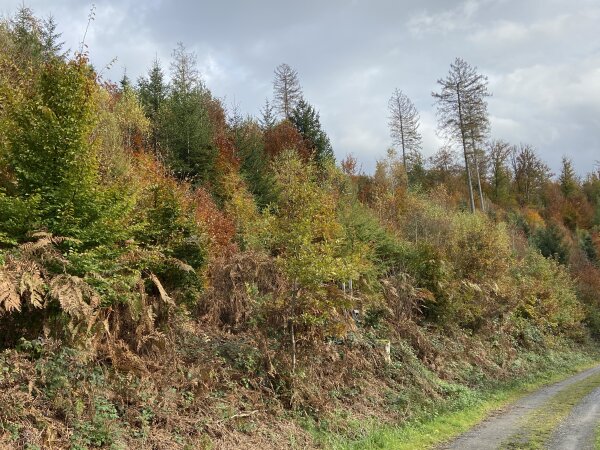
The newly emerging forests on damaged areas should be stable and resilient to withstand climatic changes in the long term and fulfill various forest functions.
Diversity in terms of tree species mixture, stratification, age, genetic variability, and the development of habitat types and species communities is considered a stability feature of forests. Each forest owner must make fundamental decisions regarding how the future forest should develop on their respective site.
Both economic and ecological aspects play a role in these decisions. Suitable tools include traditional reforestation of cleared areas (with or without incorporating natural regeneration), leaving dead spruce trees in place while utilizing the natural regeneration that occurs, and—if necessary—complementing with additional plantings, as well as allowing completely natural development on damaged areas.
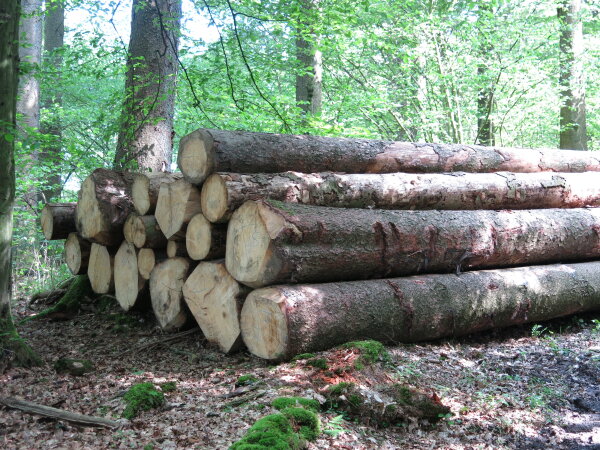
The working group is committed to an economically as well as ecologically sustainable management of the Oberberg forest.
On reforested areas, the raw material wood shall continue to be sustainably produced and generate income in the future.
Depending on the size and orientation of the operation, it may also make sense, in the interest of diversification, to focus on biodiversity on selected areas as well as special uses such as burial forests or the provision of areas for compensation measures, water protection, and other ecosystem services.
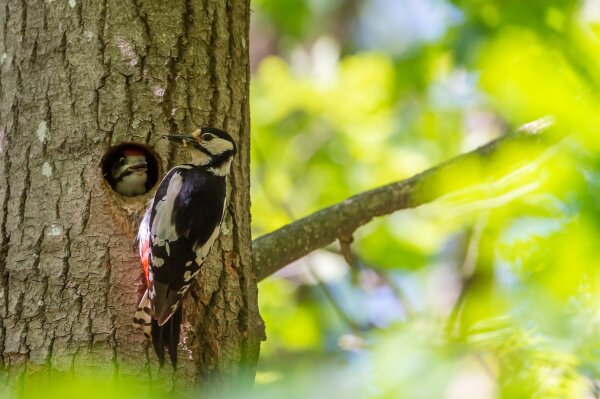
The Oberberg forest is of great importance as a habitat for native animal and plant species. Measures for reforestation, maintenance, and management must reflect this significance.
This includes refraining from driving, clearing, and mulching the entire area. Special sites should be treated according to their conservation value.
In certain cases (voluntarily and with compensation for the owner), unmanaged forest areas should also be allowed.
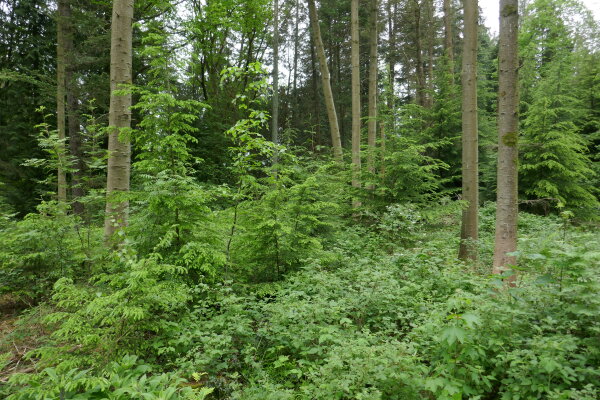
The diversity of native Central European tree species is the backbone of establishing species-rich mixed forests under climate change.
The native diversity of tree species fundamentally has sufficient potential to ensure climate-stable reforestation of damaged areas in an economically and ecologically sustainable manner. It forms the framework of future reforestation. Non-native tree species can serve as a complement without endangering native fauna and flora, provided they are integrated into a framework of native tree species at suitable locations.
In nature conservation areas, with a focus on prioritizing the protection of native communities, it is recommended to primarily utilize native deciduous trees (according to List A in the appendix). In private forests, potential natural regeneration can additionally include up to a total coniferous wood share of max. 20 percent, supplemented by the four coniferous tree species Silver Fir, European Larch, Scots Pine, and Yew.
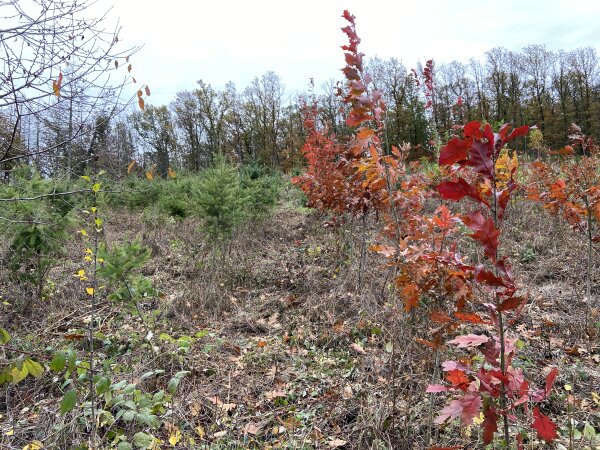
In order to cultivate a stable and diverse mixed forest, it is essential to monitor and manage the stands in the coming decades through mixed growth and spacing regulation, as well as protective measures against browsing, fraying, and later on, bark stripping damage caused by wildlife.
This applies to planted young growth, but especially to those arising from natural regeneration. Spruce natural regeneration can be integrated into the climate-stable mixed forest as a temporary mix to a limited extent.

A hunting strategy for game that is aligned with the needs of the forest is crucial for the development of future forests.
The hunting community acknowledges its special responsibility in this regard and will ensure that leaseholders and hunting rights holders fulfill this responsibility. A constructive dialogue between hunting, forestry, and nature conservation is indispensable for this.
The major challenges of the future concerning nature conservation, forestry, and hunting can only be solved together.
The fundamental prerequisites for successful cooperation are a shared foundation of trust, mutual respect, and dialogue on equal footing. Local and regional levels offer numerous opportunities to make tangible changes and use the inevitable transformation processes for one's own transition toward sustainability.
Selection of possible actions and solutions
The tasks and implementation aspects from the three fields of action entail a multitude of possible actions and solutions that can be pursued by the involved stakeholders.
These include, for example:
The term "contract-based nature conservation" refers to the monetary recognition of voluntary contributions made by land managers for nature conservation. This is already widespread in agriculture and contributes to the income of farms. In forestry, however, such agreements are still rare and currently play a negligible role in value creation. This could be expanded, for example, through performance-based compensation for specific ecosystem services provided by forests.
Priority areas for contract-based nature conservation projects in forests include ecologically valuable special sites. This enables these typically small-scale areas to be managed with a focus on nature conservation.
Silvicultural concepts aimed at producing the highest possible quality wood assortments are best suited to meet future requirements in line with this agreement. Wood assortments should therefore be oriented towards transferring the wood into a long-term bond as construction or material (durable wood products).
Offers for environmental education and forest pedagogy for adults and adolescents are suitable means to raise public awareness about the forest and enable them to competently assess current developments.
Forest owners are requested to provide suitable areas in their forests for the implementation of such offers and to actively participate in their realization.
The agreement partners intend to expand and strengthen the alliance between forestry, nature conservation, and hunting in the Oberberg district. Mutual training and joint further education are at the center of this effort. This not only creates greater competencies but also strengthens mutual trust and promotes dialogue on an equal footing.
In the coming years, large areas of forest stages will develop that will make hunting significantly more difficult but at the same time even more necessary. It is therefore urgently required that landowners engage in dialogue with hunting authorities on-site to take appropriate measures to facilitate or ensure easy hunting. These measures include, for example, the creation of shrub-free hunting lanes, the designation of priority hunting areas and wildlife resting zones, as well as the construction of hunting stands. Representatives of forest management associations and hunting communities can also be involved in this dialogue.
Tree species lists
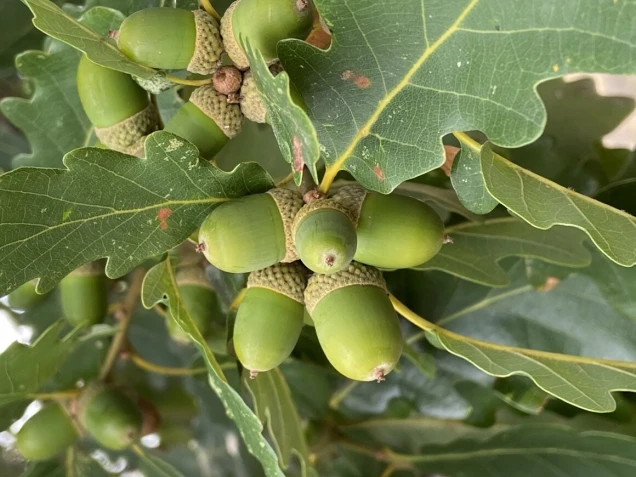
For reforestation planting, it is recommended to rely on the following palette of native tree species in Central Europe (List A). They form the basic framework for reforestation.
Additionally, outside of protected areas, up to 35 percent of tree species from List B can be included. The selection of tree species should always be based on their respective ecological requirements (site suitability) and susceptibilities (e.g., vulnerability to diseases) as well as economic considerations.
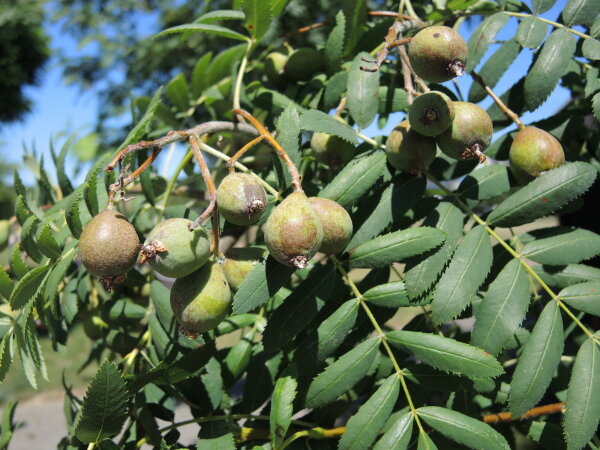
-
Aspen
-
Sycamore maple
-
Wych elm*
-
Rowan
-
Wild service tree
-
Ash*
-
European white elm*
-
Field maple
-
Field elm*
-
Hornbeam
-
Whitebeam
-
Downy birch
-
European beech
-
Silver birch
-
Black alder
-
Black poplar
-
Small-leaved lime
-
Service tree
-
Norway maple
-
Pedunculate oak
-
Sessile oak
-
Wild cherry
-
Willows (various species)
-
Wild apple
-
Wild pear
-
Large-leaved lime
*subject to further developments regarding the diseases “ash dieback” and “elm decline.”
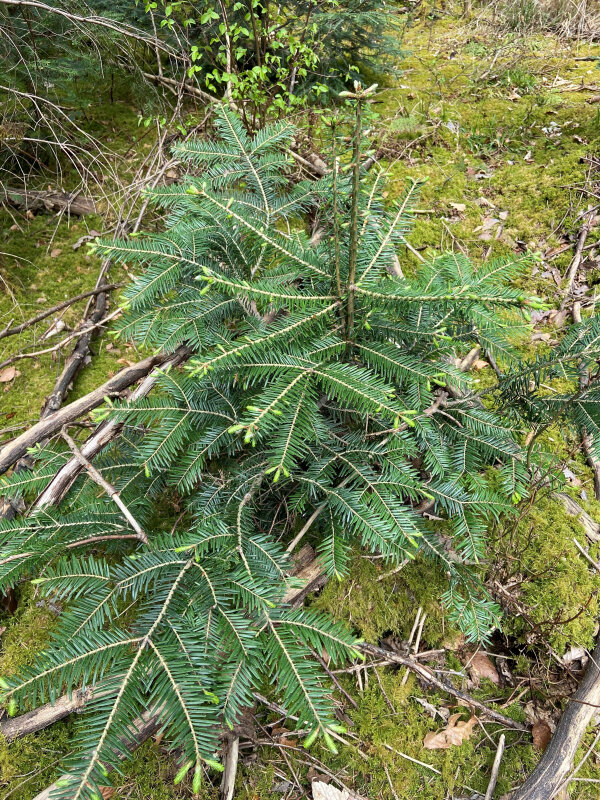
In private forests, cultivation up to a total share of 20 percent
is also permissible in conservation areas as per agreement:
-
Yew
-
European larch
-
Scots pine
-
Silver fir
Artificial introduction
only permissible outside conservation areas as per agreement:
• Spruce
(The cultivation of spruce carries high risks due to the impacts of climate change and is therefore not recommended.)
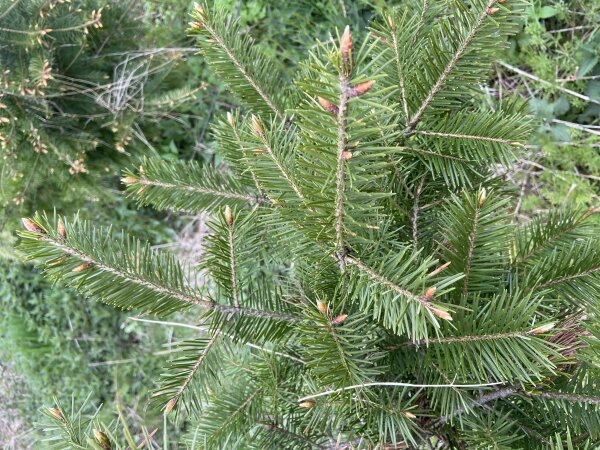
The effects of certain proportions of these tree species as admixtures within the framework of native tree species from List A "are largely unknown and should therefore be researched. In any case, a trade-off between cultivation suitability and risks should be conducted for alternative tree species used." This is advised by the Scientific Advisory Board on Forest Policy at the Federal Ministry of Food and Agriculture in its report on adapting forests and forestry to climate change
(October 2021).
For this agreement, admixtures in line with the funding guidelines (Guidelines on the granting of subsidies for forestry measures in private forests / municipal forests, Circular of the Ministry for Environment, Agriculture, Nature, and Consumer Protection dated May 27, 2021) are considered suitable up to a maximum of 35 percent in total.
-
Douglas fir
-
Sweet chestnut
-
Japanese larch
-
Grand fir
-
Red oak
-
Black pine
-
Walnut
Contact
Christoph Weitkemper
